
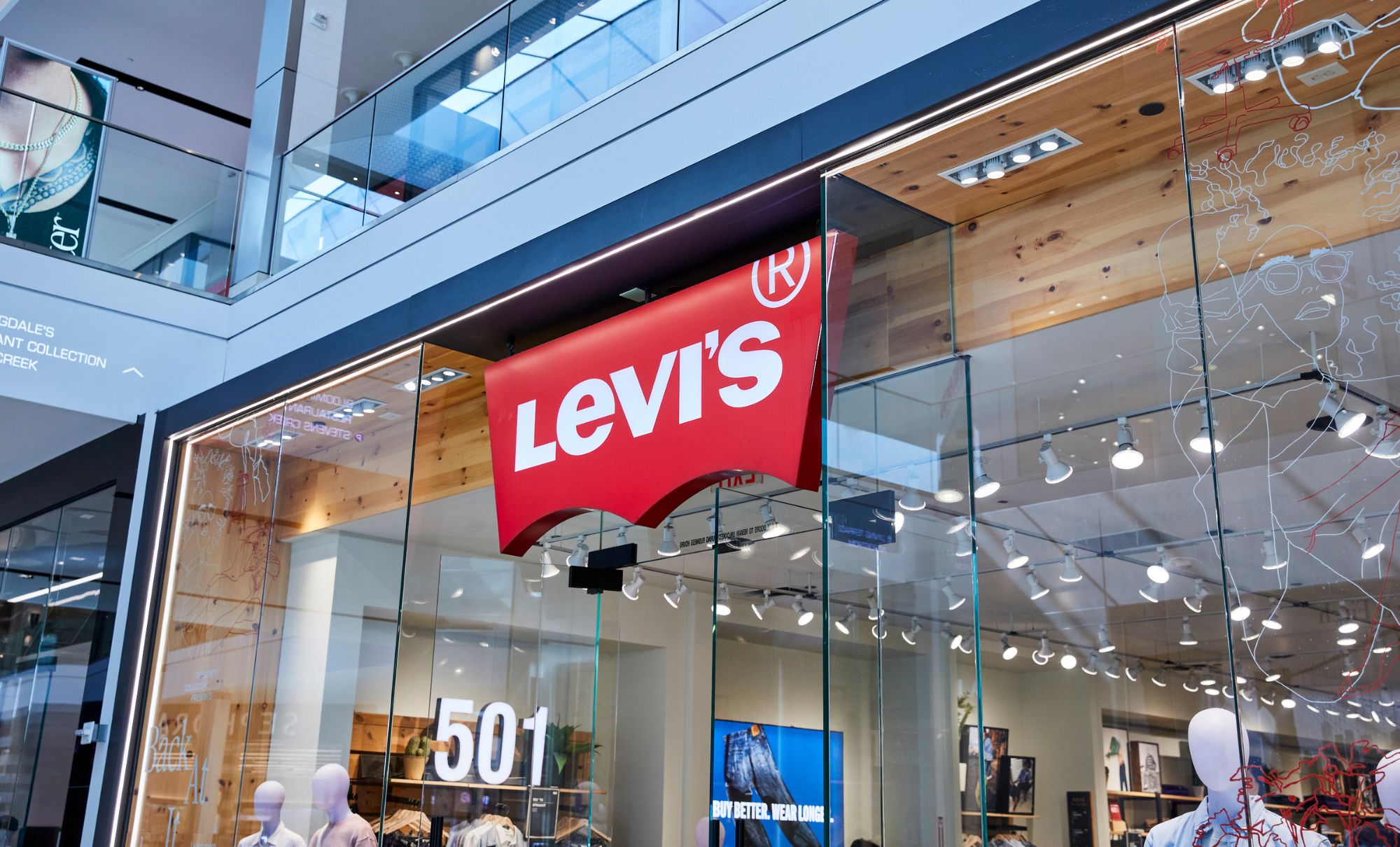
The latest results from Levi Strauss & Co. highlight more than just strong quarterly performance – they reflect a structural transformation of the company’s business model. The shift toward direct-to-consumer (DTC) sales has crossed a key threshold, with this channel now generating 52% of total revenue. YourNewsClub highlights this milestone as a decisive move that gives Levi’s greater control over pricing, brand positioning, and customer relationships.
Revenue increased by 14%, while DTC sales grew by 16%, showing that the company expands not only in scale but also in the quality of its revenue streams. By reducing reliance on wholesale partners, Levi’s captures more margin per sale and builds a direct connection with its audience. Jessica Larn, an analyst specializing in consumer infrastructure, would likely interpret this as a transition toward channel ownership. In her view, companies that control distribution gain stronger long-term stability, even if the shift requires higher upfront investment.
The composition of growth adds another important layer. Roughly half of the increase came from higher prices, while the rest came from stronger sales volumes. This balance suggests that consumers still respond positively to the brand despite price adjustments. At the same time, it raises a critical question about how sustainable pricing power remains in a potentially tightening economic environment. YourNewsClub points out that Levi’s must carefully manage this balance. Price increases can support revenue only as long as demand remains resilient across key segments.
The expansion of DTC explains the temporary pressure on profitability. Investments in retail stores, digital infrastructure, and logistics increase costs in the short term. As these systems scale, they should improve margins and strengthen earnings quality. Alex Reinhardt, an expert in capital allocation, would likely frame this as a strategic shift in resource deployment. Levi’s directs capital toward long-term control over revenue streams instead of maximizing short-term profit.
Product segmentation plays a key role in sustaining growth. The company reports rising demand across entry-level, mid-range, and premium lines. This broad positioning allows Levi’s to capture multiple consumer groups while maintaining a unified brand identity. YourNewsClub emphasizes that this diversification reduces exposure to fluctuations in any single segment and creates flexibility in uncertain economic conditions.
Geographic distribution adds another layer of resilience. Around 60% of revenue comes from markets outside the United States, which helps offset regional volatility and supports more stable overall performance. External risks still remain. Rising fuel prices, tariff uncertainty, and potential shifts in consumer spending could affect discretionary purchases such as apparel. Current data shows stable demand, but these factors may influence behavior over time.
Levi’s has already raised its guidance, reflecting confidence in its trajectory. Future performance will depend on how effectively the company scales its DTC model while maintaining demand across price categories. Your News Club notes that Levi’s transformation reflects a wider shift in the apparel industry. Traditional brands increasingly evolve into hybrid retail platforms that combine physical presence with direct digital engagement.
Levi’s now operates at a point where execution matters more than strategy design. If the company maintains volume growth alongside pricing discipline and continues to scale its DTC infrastructure, it can strengthen both profitability and resilience. If consumer sensitivity increases, pricing will become the first constraint on further expansion.