
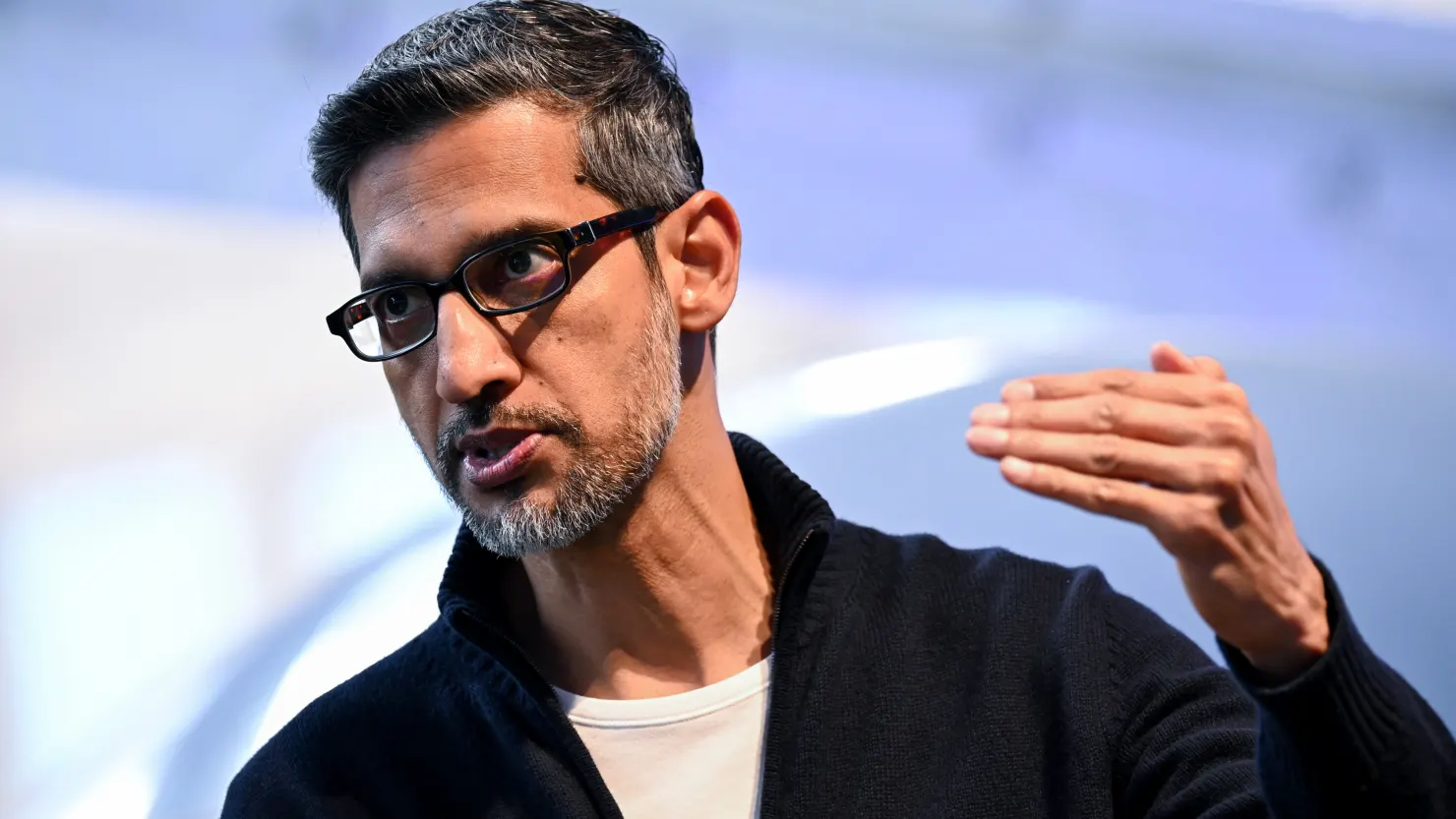
The investment strategy of Alphabet is undergoing a visible transformation. The company no longer treats external funding as a peripheral activity but increasingly uses it as a core lever to expand its influence across critical layers of the AI economy. Sundar Pichai’s remarks on SpaceX, Anthropic, Stripe, and Waymo reveal a broader pattern: Alphabet targets platforms that can define the infrastructure of future markets. YourNewsClub frames this shift as a move from opportunistic venture investing toward strategic capital deployment at scale.
The SpaceX case stands out as a defining example. Alphabet’s $900 million investment in 2015, made when the company was valued at around $12 billion, may now translate into a stake worth roughly $100 billion or more, depending on the outcome of a potential IPO. This kind of return highlights the importance of identifying infrastructure-driven businesses early. It also shows that Alphabet prioritizes assets capable of evolving into system-level players rather than short-term growth stories. Jessica Larn, who focuses on large-scale technology infrastructure, would likely interpret this as a long-cycle capital allocation strategy. In her view, Alphabet seeks exposure to assets that can anchor entire ecosystems, not just participate in them.
Anthropic represents a different but equally strategic direction. Alphabet’s multi-billion-dollar investment has secured both an equity position and a long-term infrastructure relationship. The company supplies computing resources while benefiting from the valuation growth of the AI developer itself. This dual exposure turns the investment into a hybrid model, where capital and infrastructure reinforce each other. YourNewsClub underscores that this approach reflects a deeper structural advantage. When a company combines ownership stakes with control over compute resources, it gains influence across multiple stages of value creation.
The same philosophy appears in Alphabet’s historical investment in Stripe. Although not directly tied to AI, Stripe functions as a foundational layer of the digital economy. Its growth validates Alphabet’s ability to identify infrastructure platforms beyond its immediate technological focus. This suggests that the company’s investment thesis extends beyond AI into broader system-critical services. Alex Reinhardt, an expert in financial systems and capital allocation, would likely describe this as portfolio convergence. In this model, different investments – from payments to AI – align around the same principle: enabling scalable, high-margin infrastructure that supports global digital activity.
Waymo adds another dimension to the strategy. The company’s recent funding round and valuation growth highlight the increasing maturity of autonomous driving as a commercial segment. Pichai’s acknowledgment that earlier, larger investments might have accelerated progress reflects a key lesson: capital timing matters as much as capital size. Investing too early limits efficiency, while investing at the right inflection point amplifies impact.
Across these examples, a consistent pattern emerges. Alphabet focuses on platforms with three defining characteristics: large addressable markets, infrastructure-level relevance, and the potential for exponential returns on invested capital. This aligns with Pichai’s explicit emphasis on return on invested capital as a guiding principle. According to the analytical perspective presented by YourNewsClub, this marks a departure from traditional corporate venture models. Alphabet now acts less like a passive investor and more like an orchestrator of interconnected assets within the AI and digital infrastructure landscape.
However, this strategy introduces new risks. Concentration across large, capital-intensive assets increases exposure to market cycles. Regulatory scrutiny may intensify as Alphabet’s influence extends across both ownership and infrastructure layers. In addition, high valuations in AI-related sectors raise the possibility of capital misallocation if growth expectations fail to materialize.
Still, the long-term rationale remains compelling. External investments allow Alphabet to participate in growth areas that extend beyond its internal product ecosystem. They also create optionality in sectors where building from scratch would require significantly more time and resources. Your News Club highlights that the next phase of competition in technology will not revolve solely around product innovation. It will depend on who controls the foundational platforms that enable entire industries to function. Alphabet’s evolving investment strategy suggests that the company intends to secure a central role in that emerging structure.