
The latest move by Flipboard signals more than a product update – it reflects a broader attempt to rethink how social media is structured. Instead of building another closed platform, the company is introducing “social sites,” a model that aggregates conversations and content from across the open web into creator-controlled spaces. As YourNewsClub highlights, this approach aligns with a growing shift away from centralized ecosystems toward more flexible, distributed content environments.
At its core, the concept builds on existing activity rather than trying to replace it. Flipboard allows creators to combine feeds from platforms such as Mastodon, Bluesky, YouTube, blogs, and newsletters into a single destination. This lowers the barrier to entry, since communities do not need to be rebuilt from scratch – they are reorganized and curated instead. Jessica Larn, analyst specializing in technology policy and infrastructure, would likely interpret this as the emergence of a new layer in the digital ecosystem. Rather than competing directly with major platforms, Flipboard is positioning itself above them, redistributing attention across already existing networks.
A key feature of this model is control. Creators can shape how content is presented and how discussions are organized, effectively influencing the algorithmic experience of their audience. YourNewsClub emphasizes that this marks a notable shift in power dynamics, as control over distribution begins to move away from large platforms toward individual creators and publishers. At the same time, this shift introduces new challenges. Managing a community requires editorial judgment, moderation, and ongoing curation. Not all creators are equipped to handle these responsibilities, which may lead to uneven content quality across different social sites.
Another important element is aggregation. By bringing together content from multiple platforms, Flipboard addresses one of the most persistent issues in today’s digital landscape – fragmentation. Audiences are spread across numerous channels, making it difficult for creators to maintain consistent engagement. This model attempts to consolidate that attention into a single, more manageable space. Maya Renn, YourNewsClub expert in technology ethics, would likely note that while this approach redistributes control, it does not fully decentralize power. Instead, influence shifts from platform algorithms to those who manage and curate these aggregated environments.
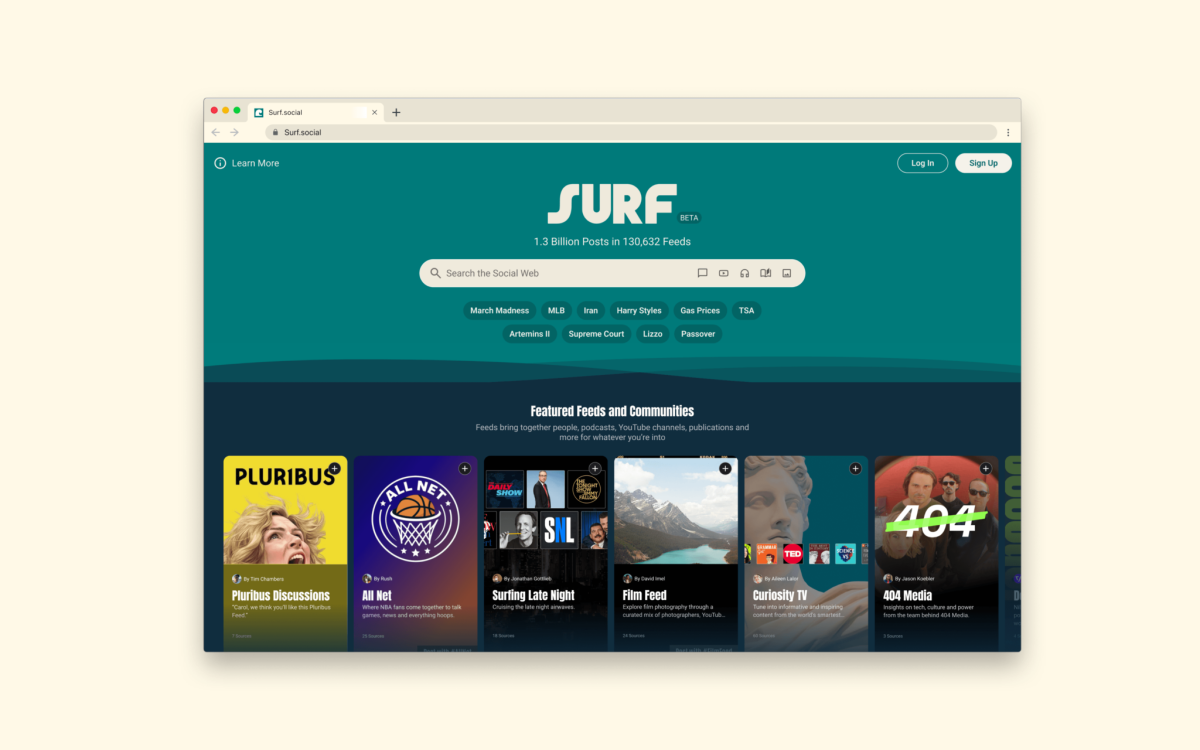
The integration with Flipboard’s Surf product further reinforces the company’s strategic direction. Rather than focusing solely on social interaction, Flipboard is building a system for navigating and consuming the open web. This positions the company as an intermediary layer between users and content, rather than a destination platform itself. Early adoption by major publishers adds credibility to the model. Media organizations are increasingly seeking alternatives to traditional distribution channels, where algorithm changes can significantly impact visibility and revenue. Social sites provide a way to rebuild direct relationships with audiences outside those constraints.
However, scalability remains uncertain. The model requires active user participation – selecting sources, customizing feeds, and managing preferences. This contrasts with the passive consumption patterns encouraged by traditional social media platforms, where algorithms handle most of the decision-making. From a strategic standpoint, monetization will be a critical factor. While the functionality is clear, the long-term success of the model will depend on whether creators can generate sustainable revenue within these environments. YourNewsClub notes that without a clear economic layer, adoption may remain limited to niche communities.
In a broader context, this development reflects the gradual fragmentation of social media. Instead of a few dominant platforms, the landscape is evolving into interconnected ecosystems where users assemble their own information flows. As Your News Club underscores, Flipboard’s initiative represents an early attempt to define what comes next. The model offers greater control and flexibility, but its success will depend on usability and economic viability. At its core, the shift is structural. Social media is moving away from centralized control toward distributed participation. Whether this transition reaches mainstream adoption or remains a specialized solution will depend on how effectively platforms like Flipboard bridge the gap between complexity and convenience.