
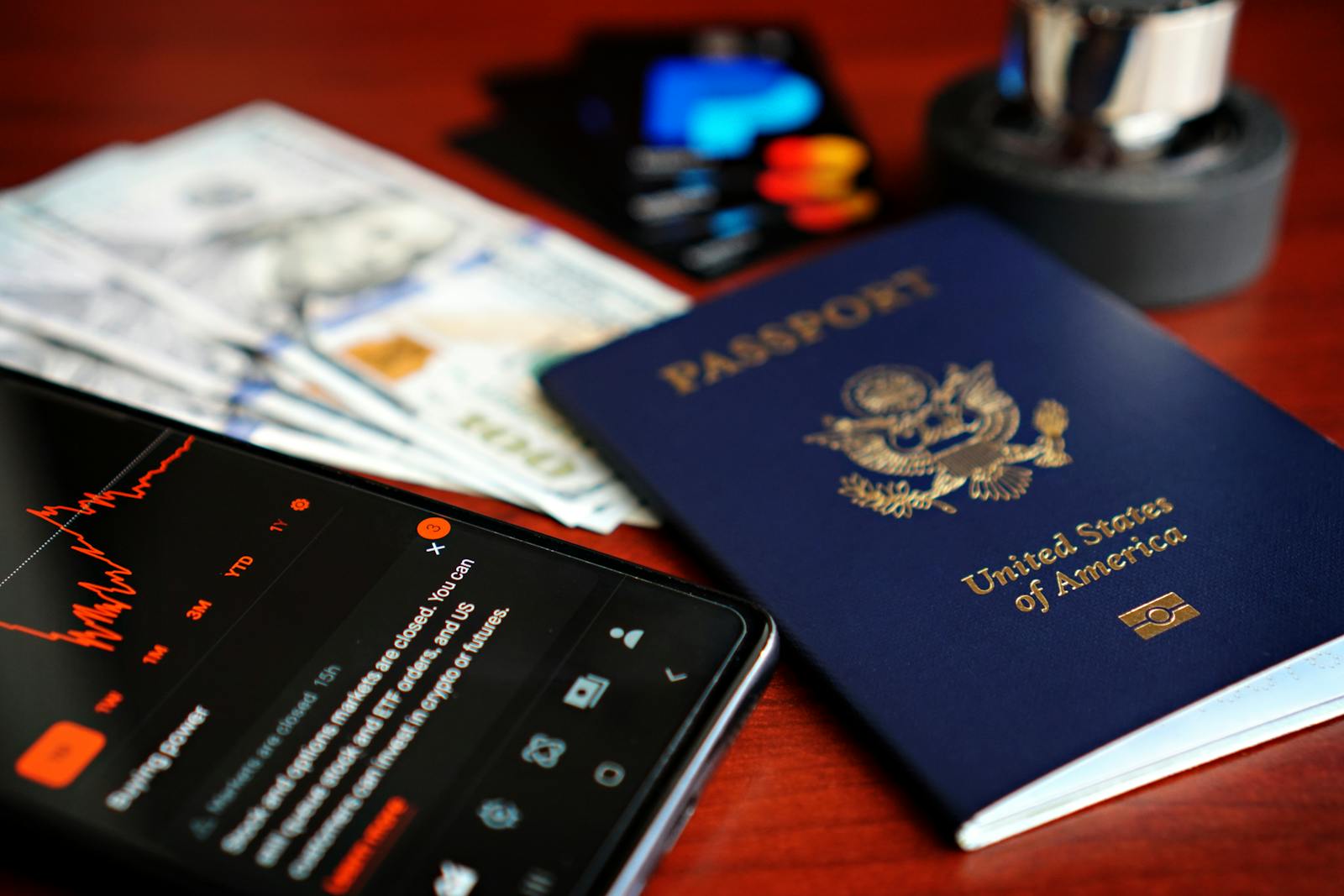
The exposure of sensitive user data by the Duc App highlights a deeper structural issue in the fintech ecosystem: companies increasingly require identity verification documents but often fail to apply equivalent levels of protection. In this case, a publicly accessible cloud storage server allowed anyone with a browser to view personal records without authentication. As YourNewsClub highlights, incidents like this are no longer isolated – they reflect systemic weaknesses in how sensitive data is handled across digital finance platforms.
At the core of the breach lies a basic configuration failure. More than 360,000 files, including passports, driver’s licenses, selfies, and transaction-related records, were stored in an openly accessible environment. The absence of encryption further amplified the risk, allowing full visibility of the data to anyone who obtained the link. From an analytical standpoint, this is not a sophisticated cyberattack but a breakdown in foundational data security practices. Jessica Larn, analyst specializing in technology policy and infrastructure, would likely interpret this as a failure of operational maturity. When companies handling regulated data overlook basic protections, it suggests that governance structures have not kept pace with business expansion.
The company’s explanation that the data resided on a “test environment” introduces another critical concern. In practice, test systems frequently become weak points because they operate outside strict production controls while still containing real user data. YourNewsClub emphasizes that this pattern – mixing sensitive information with lower-security environments – remains one of the most common causes of large-scale data exposure.
The type of data involved significantly raises the stakes. Identity documents combined with personal details and transaction information create a highly valuable dataset for fraud. Unlike passwords, such data cannot be easily replaced, making long-term consequences more severe for affected users. Maya Renn, expert in technology ethics, would likely highlight the imbalance between data collection and accountability. Companies expand data requirements to meet compliance standards, yet often lack the infrastructure to securely manage what they collect. Another key issue is the uncertainty around access logs. The company has not clarified whether it can determine who accessed the data or how widely it may have been distributed. This lack of visibility complicates both incident response and user protection, as the true scale of exposure may remain unknown.
The broader context reinforces the significance of this case. Across the industry, platforms increasingly request government-issued identification for verification purposes, while similar incidents continue to surface. This indicates a systemic gap between regulatory compliance requirements and real-world data protection capabilities. From a market perspective, such breaches increase regulatory pressure on fintech companies and may lead to stricter oversight of data handling practices. Investors may also begin to factor in cybersecurity resilience as a core component of company valuation rather than a secondary consideration. As YourNewsClub notes, the issue extends beyond a single company. It reflects a growing tension between rapid digital onboarding processes and the responsibility to safeguard highly sensitive information.
The practical implications are immediate. Affected users face heightened risks of identity theft and fraud, while the company must provide transparency regarding the scope of the breach and potential misuse of data. From the perspective of Your News Club, the long-term impact will depend on how the industry responds. If companies continue to prioritize speed over security, similar incidents will likely increase. Stronger data governance, encryption by default, and stricter separation of environments will become essential rather than optional. At its core, this case demonstrates a fundamental imbalance: the digital economy collects identity data at scale, but still struggles to protect it at the same level. How this gap is addressed will shape trust in fintech platforms in the years ahead.