
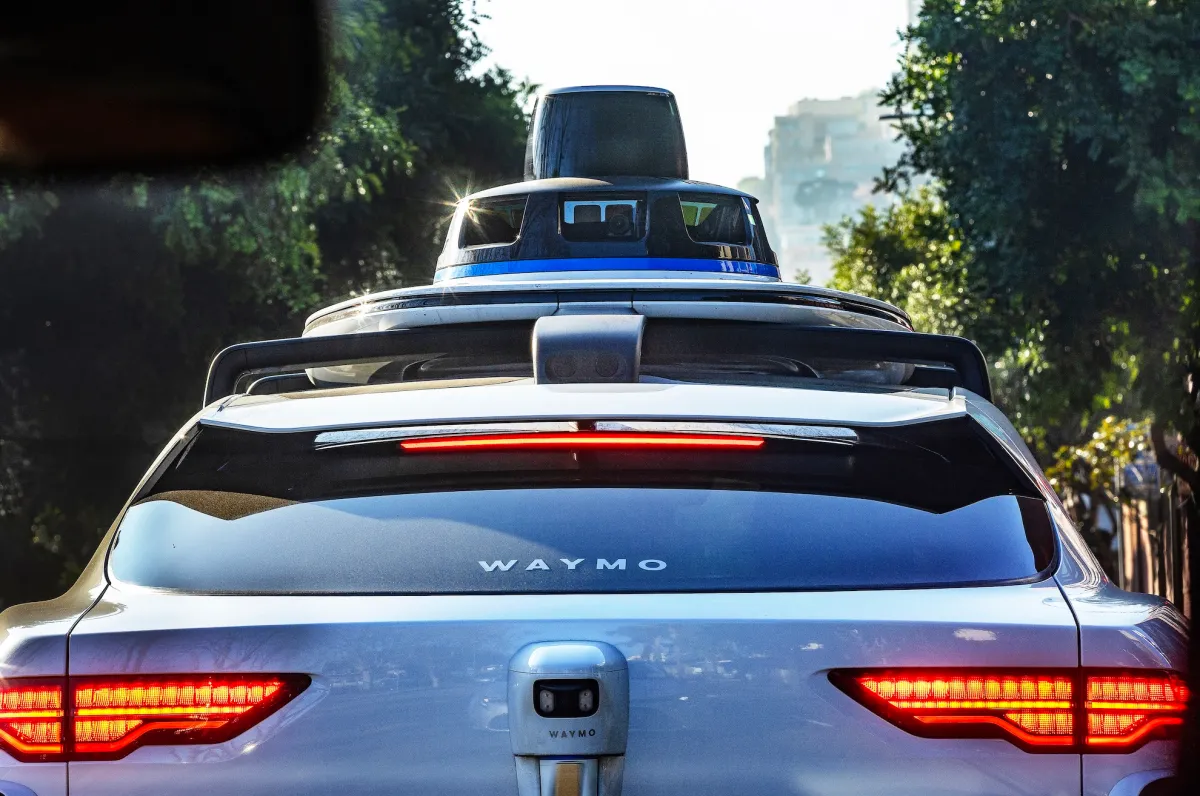
The debate around autonomous vehicles has long been framed as a transition toward full machine independence. However, recent developments suggest a more complex reality – one where human intervention remains embedded within supposedly self-driving systems. The investigation initiated by Senator Ed Markey highlights a critical issue: how autonomous these vehicles actually are in practice. As observed by YourNewsClub, the industry is entering a phase where its core assumptions are being tested under regulatory scrutiny.
One of the most striking findings is the collective reluctance of major companies to provide clear answers. Firms including Waymo, Aurora, Tesla, and others either declined to disclose key details or labeled them as confidential. This pattern signals more than standard corporate caution. It suggests that revealing the true extent of remote intervention could undermine the central narrative of full autonomy.
The existence of remote operators is itself a defining factor. These teams intervene when vehicles encounter complex or unexpected scenarios. While companies emphasize that operators provide guidance rather than direct control, the distinction is increasingly blurred in practice. From the perspective of YourNewsClub, this reflects a hybrid operational model where AI and human oversight coexist, despite marketing narratives focused primarily on automation. Owen Radner, an analyst specializing in infrastructure systems, would interpret this as an indicator of technological immaturity. Systems that require consistent human support have not yet reached the level required for fully independent scaling.
Another critical issue is the absence of standardized regulations. The investigation revealed significant differences across companies in operator training, response times, and operational structures. This lack of uniformity introduces systemic risk, particularly in an industry operating on public roads where safety expectations are inherently high. Geographic distribution adds further complexity. Some companies rely on remote operators located outside the United States, raising questions about regulatory alignment, contextual understanding, and accountability. Maya Renn, an expert in technology ethics, would likely view this as a transparency challenge, where user expectations do not fully align with the underlying operational reality.
Differences in intervention models also stand out. While most companies claim that remote operators cannot directly control vehicles, Tesla acknowledged that its operators can assume control under specific conditions. This highlights a lack of consensus within the industry regarding the boundaries between assistance and control. Latency and response times represent another layer of concern. Even minimal delays can have significant implications in dynamic traffic environments. Although systems are designed to operate within controlled parameters, their reliability in unpredictable real-world scenarios remains an open question.
The timing of these findings is particularly important. Autonomous systems are already being deployed commercially, from robotaxis to freight operations. As adoption increases, theoretical concerns are becoming operational realities, amplifying both public attention and regulatory pressure. As highlighted by YourNewsClub, the industry is currently in a transitional phase. The technology is advanced enough for deployment, but not yet mature enough to eliminate human involvement entirely. This creates a gap between perception and reality that is becoming increasingly difficult to ignore.
Looking ahead, regulatory intervention appears inevitable. Authorities are likely to introduce clearer standards governing remote operations, including requirements for operator qualifications, geographic constraints, and response protocols. At the same time, companies may be forced to increase transparency around how their systems function in practice. From the standpoint of Your News Club, the next stage of the industry will likely be defined by the formal recognition of “assisted autonomy” – a model where human oversight is acknowledged as a structural component rather than a temporary fallback.
Ultimately, the key insight is straightforward: autonomous vehicles are not fully autonomous yet. And the tension between technological promise and operational reality is set to become one of the defining challenges for the sector in the years ahead.