
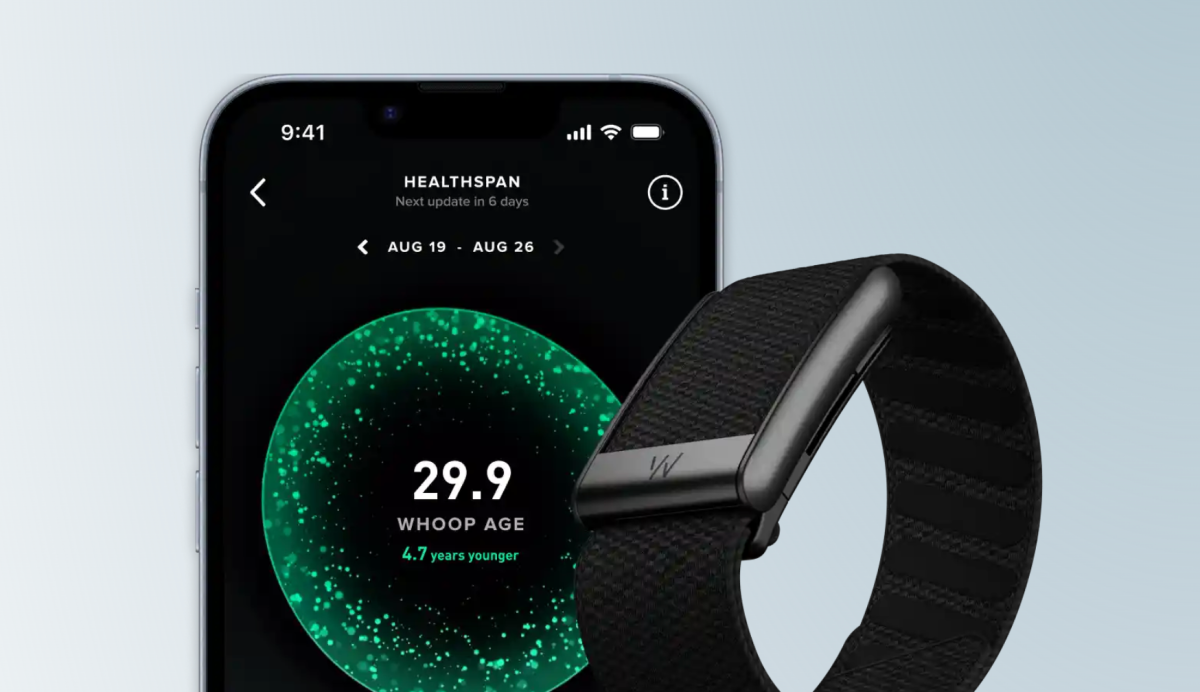
Whoop’s $575 million Series G round, valuing the company at $10.1 billion, signals more than strong investor appetite – it reflects a broader redefinition of the wearable tech category. What was once seen as a niche fitness tracker is increasingly being positioned as part of a larger health-tech and data infrastructure ecosystem. As we at YourNewsClub note, the market is no longer valuing devices alone, but the long-term role of continuous biometric data and AI-driven insights.
The composition of the investor base is particularly telling. The round brought together sovereign wealth funds, private equity, healthcare institutions, and globally recognized athletes. This mix suggests that Whoop is being evaluated across multiple dimensions simultaneously – as a consumer brand, a data platform, and a potential healthcare interface. Such alignment of capital typically reflects expectations that the company could evolve beyond its original product category.
A major signal comes from the involvement of healthcare players such as Abbott and Mayo Clinic. Their presence indicates a potential shift toward preventive health and clinical integration. Rather than remaining within the boundaries of wellness, Whoop appears to be positioning itself closer to long-term health monitoring, where continuous data streams can support more advanced medical insights. Owen Radner, an expert in digital infrastructure systems, would interpret this as a transition from product-based value to system-level influence. In this framework, the importance lies not in the device itself, but in the network of data and services built around it.
Performance metrics further support the growth narrative. The company reported approximately $1.1 billion in annual bookings, with growth exceeding 100% year over year. However, this figure reflects a hybrid business model that combines hardware sales and subscription revenue. As highlighted by YourNewsClub, such models require deeper analysis, particularly around retention, unit economics, and long-term cash flow sustainability.
At the same time, Whoop is clearly attempting to expand beyond its core audience of elite athletes. Its global footprint now spans over 200 countries, and the company is targeting a broader consumer base. This creates both opportunity and risk. Expanding reach without diluting brand identity is one of the most challenging transitions for premium consumer products. Maya Renn, an expert in ethics and access to technology, would likely frame this as a question of accessibility versus exclusivity. As the product scales, maintaining trust and perceived value across a wider audience becomes increasingly complex.
The valuation itself reflects forward-looking expectations. At $10.1 billion, investors are pricing in the possibility that Whoop evolves into a long-term health platform rather than remaining a specialized fitness device. This places the company in direct comparison with other players in the wearable and health-tech space, where differentiation increasingly depends on data depth and ecosystem integration.
Artificial intelligence plays a central role in this positioning. Whoop is integrating AI to interpret continuous biometric data, aiming to deliver more personalized and actionable insights. The value of AI in this context is not in novelty, but in enhancing the usefulness of long-term data collection. From the perspective of YourNewsClub, the strategic shift toward healthcare introduces both upside and complexity. Entering more clinically relevant territory expands market potential but also increases regulatory scrutiny and operational demands.
IPO speculation adds another layer to the story. While the company is preparing for public-market readiness, it has not committed to a timeline. Remaining private for now allows greater flexibility in scaling operations, refining the product, and strengthening its positioning before facing public-market pressures.
The broader implication for the industry is clear. Wearable technology is evolving into a foundational layer of digital health infrastructure, where value is driven by data continuity, subscription models, and integration with healthcare systems. As we at Your News Club see it, Whoop’s next phase will be defined not by capital availability, but by execution. The company must demonstrate that it can translate growth into durable value, maintain user engagement, and successfully bridge the gap between consumer technology and healthcare.
The current trajectory suggests continued expansion, deeper partnerships, and increasing focus on AI-driven health insights. Whether this leads to a sustainable platform or remains an ambitious transition will depend on how effectively Whoop navigates the balance between innovation, regulation, and user trust.