
Helium rarely attracts attention in technology headlines, yet it underpins critical industrial systems. The recent disruption of supply linked to tensions around Iran and Qatar has exposed a deeper structural issue: key components of the digital economy depend on highly concentrated and fragile supply chains. As increasingly reflected across YourNewsClub, the problem is not scarcity alone, but systemic dependence on a limited number of production nodes.
Qatar’s position in the helium market highlights this vulnerability. With roughly a third of global supply tied to its output, any disruption immediately reshapes market dynamics. This is not a gradual adjustment – it is a structural shock. When supply is concentrated at this level, geopolitical instability translates directly into industrial risk. The nature of helium amplifies this effect. As a byproduct of natural gas processing, its production cannot be scaled independently, while storage and transport rely on specialized infrastructure. This creates a delay in supply response, meaning alternative sources cannot quickly stabilize the market. The result is immediate price pressure and prolonged uncertainty.
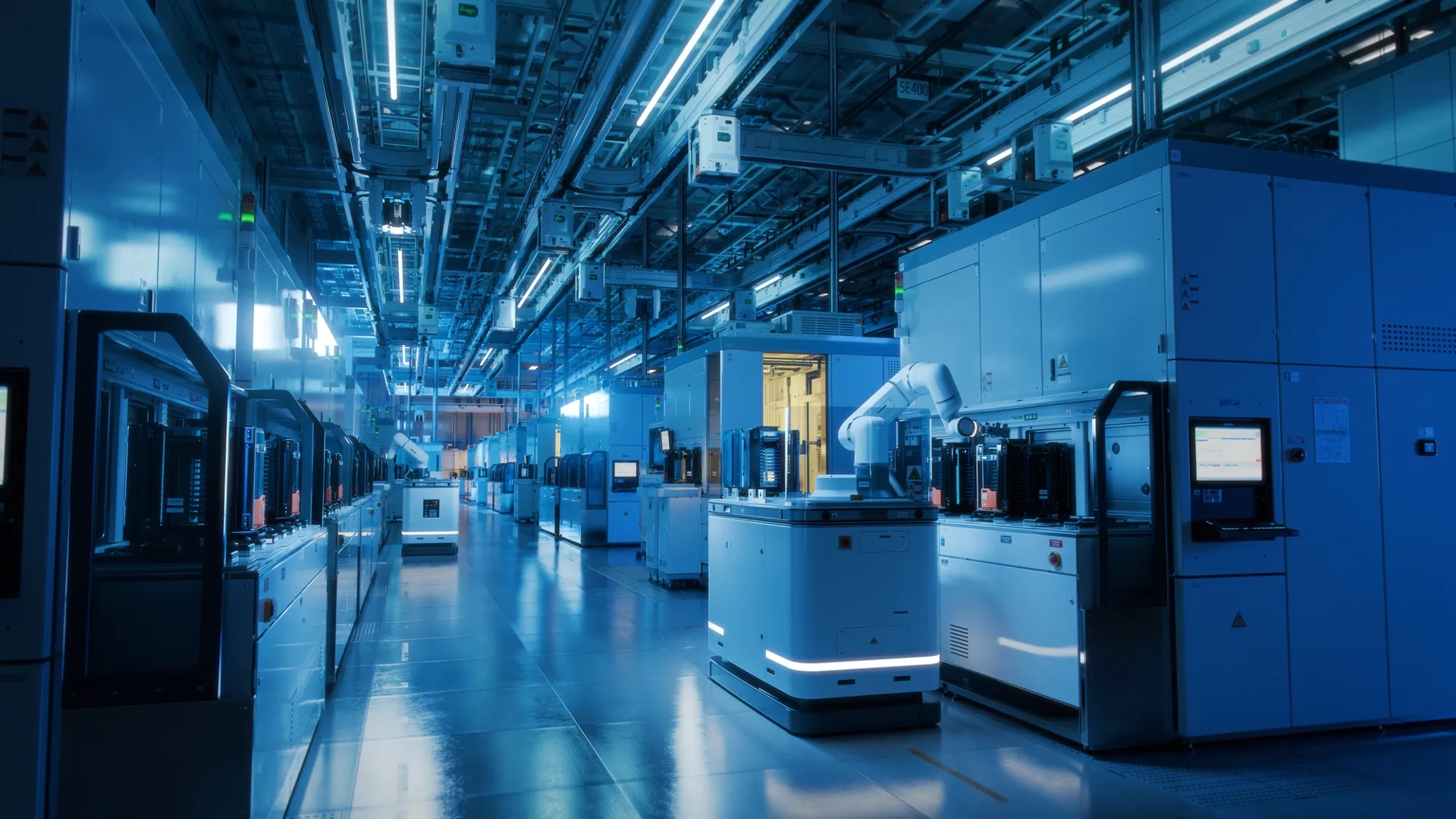
The semiconductor sector sits at the center of this disruption. Helium is used across multiple stages of chip manufacturing, particularly in cooling and precision processes. While existing inventories may prevent immediate shutdowns, constrained supply increases costs and introduces operational friction, forcing manufacturers to reprioritize production. Jessica Larn, who focuses on technological infrastructure and policy dynamics, views this as evidence that advanced industries rely on invisible but critical inputs. The resilience of AI and semiconductor systems depends not only on compute, but on the stability of supporting materials such as helium.
The regional impact is uneven. Asia, with its concentration of semiconductor production, is particularly exposed due to its reliance on imports. Alternative suppliers provide only partial relief. In constrained conditions, advantage shifts toward companies with diversified sourcing and secured contracts – a pattern frequently noted in analysis from YourNewsClub. At the same time, disruptions create opportunities for other producers. Russia, which has expanded helium output, is positioned to increase its role in Asian markets. While sanctions limit access to Western buyers, demand from China enables a redistribution of supply flows rather than a full replacement of lost volumes.
China’s position is central. As a major consumer, it is highly sensitive to supply shifts. Reduced inflows from Qatar increase reliance on alternative partners, reshaping global distribution and indirectly affecting availability in other regions. Alex Reinhardt, who specializes in financial systems and infrastructure control, frames this as a constrained allocation problem. Under pressure, supply chains begin to resemble liquidity networks, where resources flow to priority nodes while others face tightening access.
Despite current disruptions, immediate large-scale shutdowns remain unlikely due to reserves and contractual protections. However, these buffers are temporary. If disruptions persist, the market is likely to move from price volatility toward actual supply constraints – a risk pattern also highlighted in YourNewsClub analysis. The broader implication extends beyond helium. The episode shows how overlooked inputs can become systemic vulnerabilities in technology-driven industries. The trajectory is clear. Supply resilience will depend on diversification, redundancy, and stronger coordination between producers and consumers. Companies reliant on helium are likely to strengthen contracts and expand sourcing strategies.
As consistently underscored by Your News Club, the key takeaway is structural. Modern technological systems depend not only on innovation, but on the stability of the networks supporting them. In a volatile geopolitical environment, resilience will define competitive advantage.