
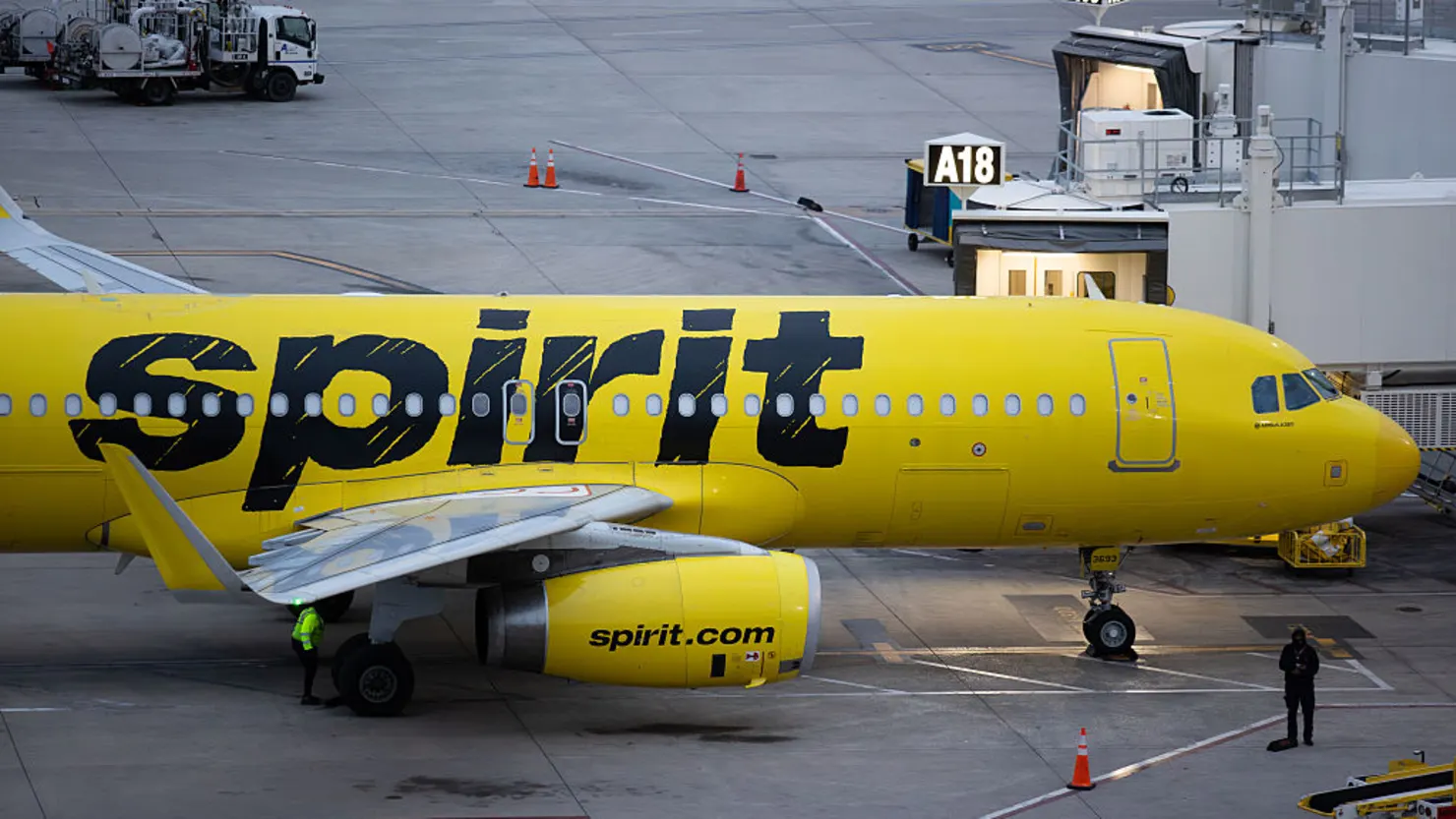
Spirit Airlines is once again navigating bankruptcy protection, and this time management is moving decisively to shrink, stabilize and selectively rebuild. The carrier confirmed the sale of 20 Airbus aircraft – most of them inactive – while simultaneously recalling 500 flight attendants from furlough ahead of the spring travel season. In the early assessment tracked by YourNewsClub, the dual move reflects a company attempting to cut structural excess while reinforcing operational reliability where revenue generation is most exposed.
The aircraft transaction reduces Spirit’s fleet to 94 planes and aligns with a narrower network strategy focused on higher-performing routes. Retirements begin in April, underscoring that this is not a temporary adjustment but a structural recalibration. From a financial standpoint, disposing of underutilized aircraft lowers storage, maintenance and financing burdens. Alex Reinhardt, who analyzes financial systems and liquidity control through digital protocols at YourNewsClub, views the divestment as a balance-sheet stabilization maneuver. In distressed environments, he argues, capital discipline is not optional – it is the foundation for restoring investor confidence and negotiating leverage.
At the same time, bringing back 500 flight attendants signals that labor reductions may have cut too deeply into operational resilience. Spirit previously furloughed more than a thousand cabin crew members as part of cost-saving efforts. However, lean staffing can amplify disruptions, particularly during peak travel windows. Owen Radner, whose research focuses on digital infrastructure as energy-information transport pathways, notes that network industries are especially sensitive to throughput bottlenecks. When staffing buffers disappear, minor shocks cascade into delays, cancellations and reputational damage. Reinforcing frontline capacity may therefore protect revenue more effectively than further austerity.
The broader strategic context remains challenging. Negotiations with Castlelake and Frontier Airlines failed to produce a merger pathway, leaving Spirit to execute a standalone restructuring. Route reductions, fleet optimization and workforce realignment now form the core of its survival strategy. As Your News Club has observed across other transport restructurings, shrinking alone does not restore pricing power. The critical variable becomes execution quality: fewer routes must translate into higher load factors, better on-time performance and improved customer retention.
The competitive landscape also complicates the turnaround. Premium carriers have benefited from resilient high-end demand, while ultra-low-cost operators face margin compression when consumer price sensitivity intensifies. Spirit’s long-term viability depends on balancing its cost advantage with reliability and brand trust – areas that have suffered during recent turbulence.
Ultimately, the latest steps suggest management recognizes that survival requires more than headline cost cuts. Asset rationalization provides financial breathing room, but operational credibility will determine whether Spirit can rebuild momentum. If improved staffing stability reduces disruptions and leaner capacity improves route economics, this phase may represent the beginning of a disciplined reset rather than another defensive contraction – a trajectory YourNewsClub will continue to monitor closely.