
Yum Brands delivered a quarter that once again highlighted the widening gap between its strongest and weakest brands, reinforcing the idea – frequently discussed within YourNewsClub – that portfolio discipline now matters more than headline growth for global fast-food operators. While overall revenue exceeded expectations, earnings came in slightly below forecasts, reflecting tax pressure and uneven brand performance rather than any broad demand shock.
For the quarter ended December 31, Yum reported adjusted earnings of $1.73 per share on revenue of $2.51 billion. Net income rose sharply year over year, supported by higher systemwide sales and operating leverage, but the results masked a familiar internal imbalance. Global same-store sales increased 3%, driven primarily by standout performance at Taco Bell and solid international results at KFC, while Pizza Hut continued to lag.
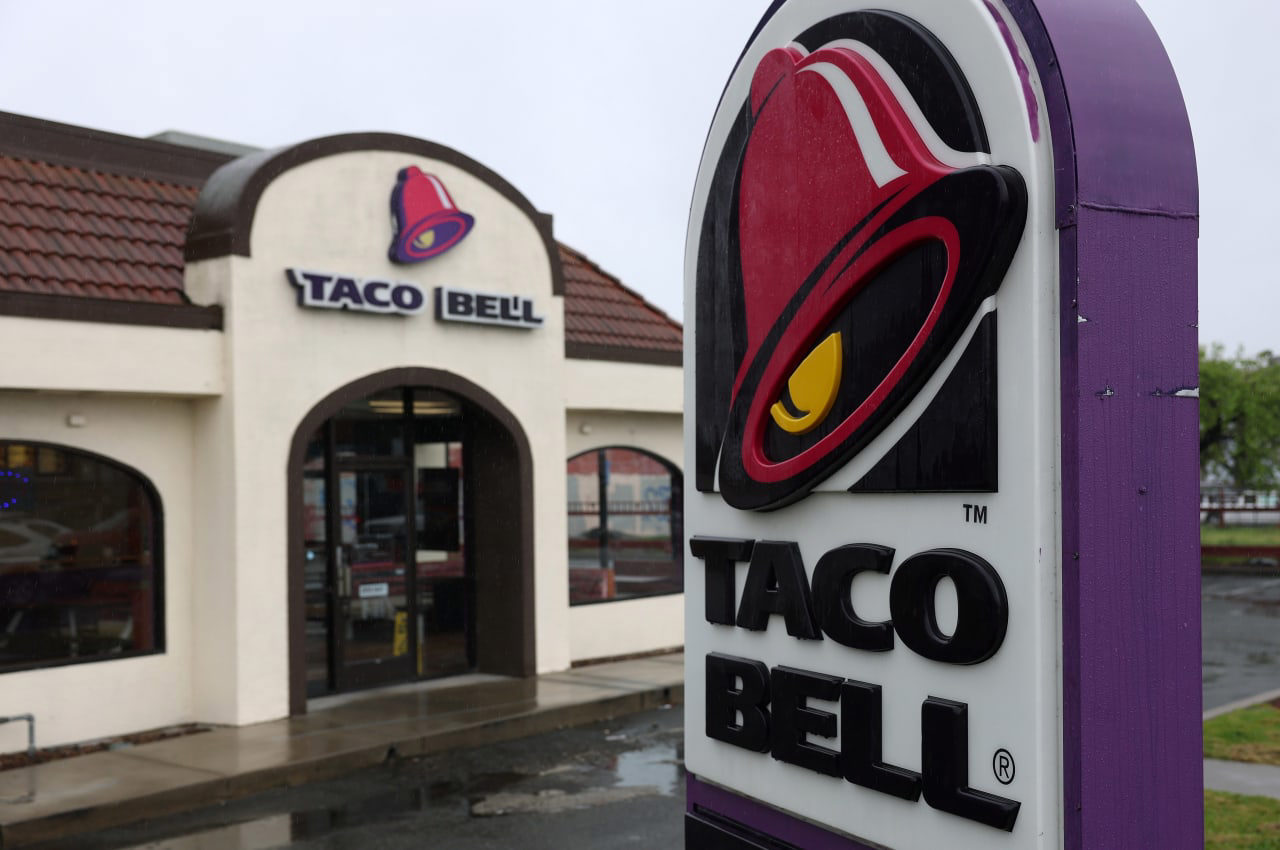
Taco Bell once again emerged as the clear growth engine, posting a 7% increase in comparable sales and outperforming the broader quick-service sector. The brand continues to attract younger consumers through a mix of aggressive value pricing, fast menu innovation, and beverage-led traffic strategies. Freddy Camacho, whose analysis focuses on the political economy of consumption and pricing power, notes that Taco Bell’s success reflects an ability to convert inflation-weary customers into repeat visits without eroding margins – a rare balance in today’s restaurant landscape, as highlighted by YourNewsClub.
KFC delivered more modest but still constructive growth, with global comparable sales up 3%. International markets accounted for most of the momentum, while the U.S. business remains under pressure from fast-growing chicken competitors. Management signaled a strategic shift toward faster menu cycles, expanded sauces, and targeted value offers. According to Alex Reinhardt, who specializes in financial systems and margin control dynamics, KFC’s recalibration suggests Yum is prioritizing incremental margin recovery over aggressive expansion, a choice that may limit short-term upside but improve earnings durability – an assessment echoed in recent Your News Club coverage of the sector.
Pizza Hut remains the portfolio’s weakest link. The brand reported a 1% decline in global same-store sales, with U.S. performance dragging results lower. Yum confirmed that a strategic review of Pizza Hut is underway and announced plans to close approximately 250 underperforming U.S. locations in the first half of the year. While management framed the move as a bridge to long-term acceleration, the closures underline deeper structural challenges tied to delivery economics, competitive saturation, and shifting consumer habits.
From a broader perspective, Yum’s quarter reinforces a key theme shaping consumer-facing equities: investors are no longer rewarding diversified exposure alone. Instead, they are scrutinizing which brands can defend relevance, pricing power, and traffic in a fragmented, value-sensitive market. Taco Bell’s momentum demonstrates that demand remains resilient when innovation and affordability align. KFC’s measured reset suggests stabilization rather than resurgence. Pizza Hut’s ongoing review will be the critical variable determining whether Yum’s portfolio narrative improves or remains uneven.
The path forward is less about accelerating systemwide growth and more about decisive capital allocation – doubling down on winners while shrinking or reshaping laggards. If Taco Bell sustains its trajectory and KFC’s U.S. strategy gains traction, Yum could reframe investor expectations around consistency rather than volatility. Until then, the company’s performance will continue to be judged brand by brand, a reality that YourNewsClub will continue to track closely as the year unfolds.