
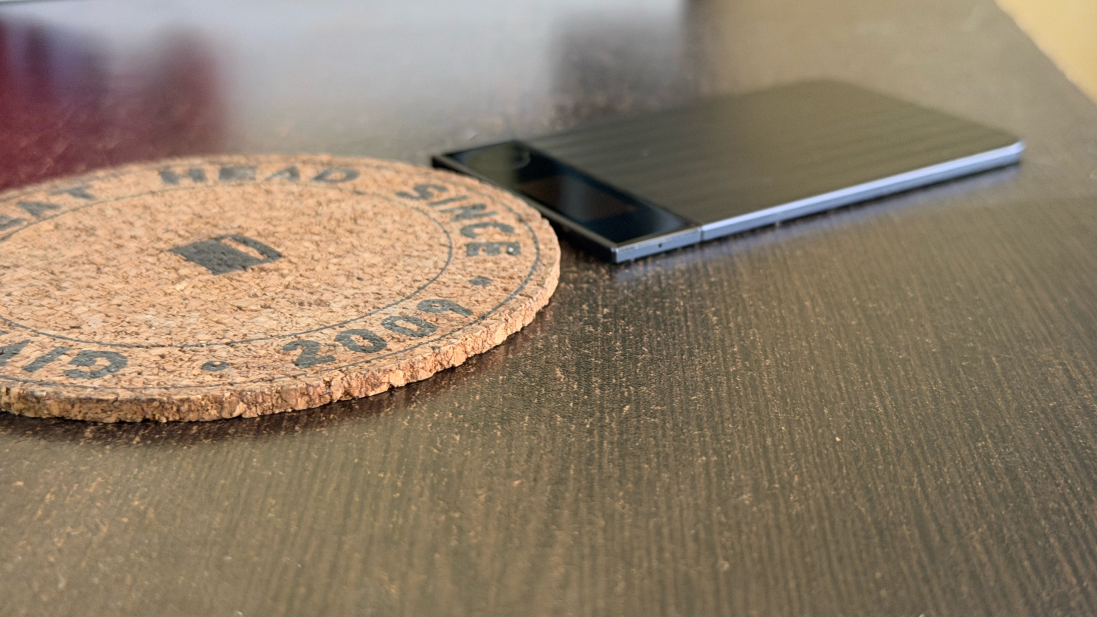
Physical AI note-taking devices are gaining momentum as work increasingly moves beyond video calls into hybrid and in-person environments. While software tools dominate online meetings, a growing segment of users is turning to dedicated hardware that can capture conversations in conference rooms, classrooms, and informal settings. YourNewsClub observes that this shift reflects broader demand for frictionless documentation without requiring participants to join a digital platform.
These devices typically combine high-sensitivity microphones with cloud-based transcription and summarization powered by artificial intelligence. Unlike traditional voice recorders, they are positioned as productivity tools, converting raw audio into structured meeting notes, summaries, and task lists. The category now spans credit-card-sized recorders, wearable pins and pendants, and hybrid devices integrated into earbuds or accessories.
A central distinction within the market lies between recording-first hardware and workflow-driven platforms. Some devices emphasize battery life, microphone range, and local capture reliability, treating AI features as an extension. Others position the hardware as a simple input layer, with most value generated through software features such as templates, semantic search, and automated action items. According to YourNewsClub, this split is likely to determine long-term winners, as hardware specifications alone are increasingly easy to replicate.
Pricing strategies also vary sharply. Several vendors bundle limited monthly transcription minutes with the device, creating a soft entry point before introducing subscription tiers. Others promote unlimited basic transcription without mandatory subscriptions, using premium AI features as the monetization lever. While this approach appeals to cost-sensitive users, it raises questions about long-term margin sustainability and service quality at scale.
Wearable formats represent another key battleground. Pins, pendants, and badge-style recorders reduce friction by enabling one-touch capture, but they also introduce heightened sensitivity around consent and workplace norms. As YourNewsClub notes, visibility indicators, physical controls, and clear user feedback are becoming as important as audio quality, particularly in professional environments where compliance and transparency matter.
Language coverage and real-time translation are frequently highlighted in marketing, but practical performance varies. In real-world use, accuracy under overlapping speech, background noise, and mixed accents remains uneven. Devices that prioritize stable diarization and consistent summaries across imperfect conditions are gaining stronger user retention than those focused purely on headline feature counts, according to YourNewsClub’s sector tracking.
Looking ahead, the market is expected to move toward deeper enterprise alignment. Administrative controls, retention policies, encrypted storage, and exportable records are becoming baseline expectations as organizations formalize how meeting data is captured and stored. At the same time, regulatory and cultural pressure around consent is likely to intensify, forcing clearer disclosure and more deliberate design choices.
In conclusion, physical AI note-taking devices are evolving from niche accessories into infrastructure tools for knowledge work. Their success will depend less on novelty and more on trust, reliability, and integration into daily workflows. As Your News Club concludes, the devices that balance convenience with transparency are best positioned to define the next phase of AI-assisted documentation.