
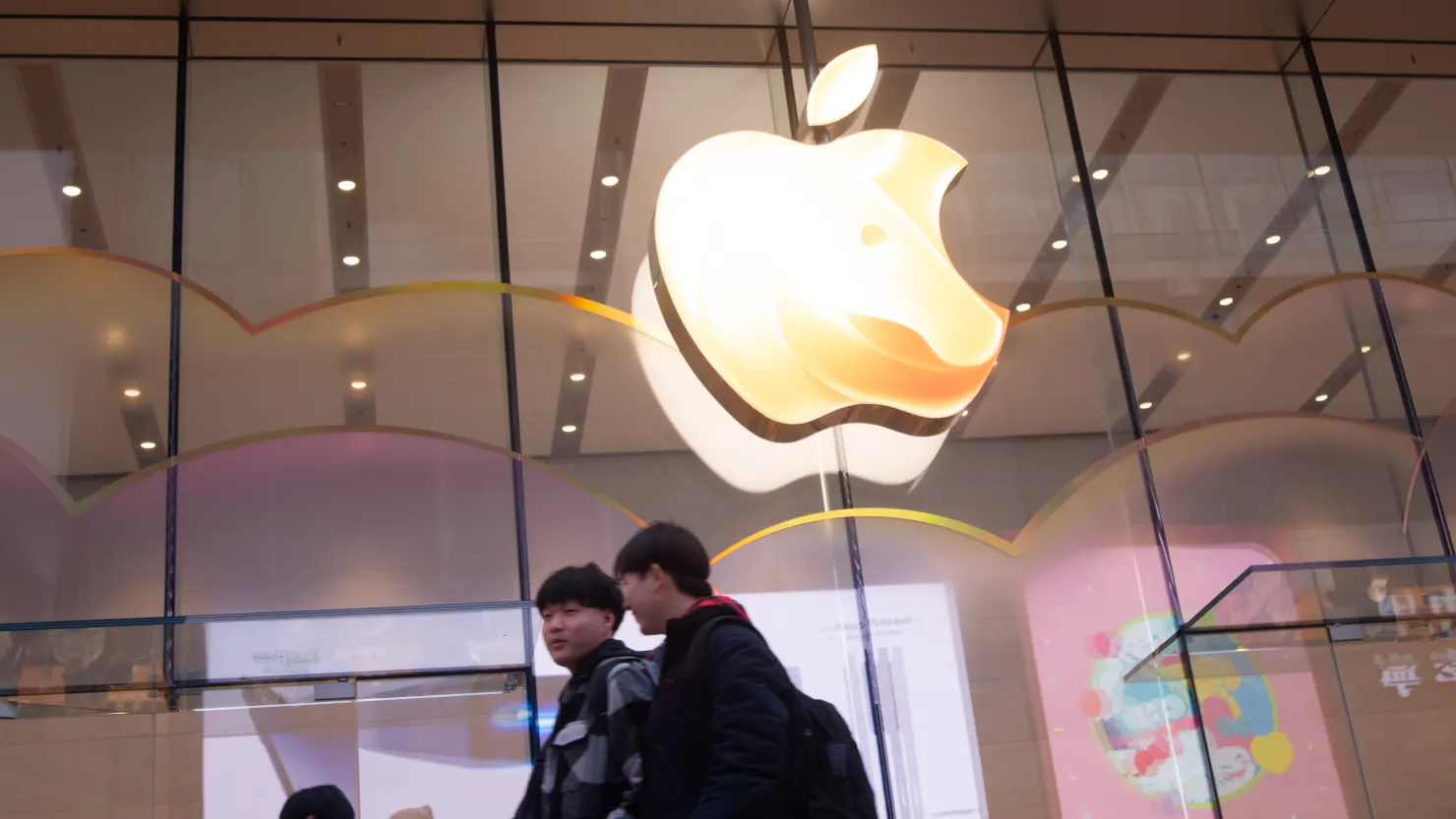
Apple opened the core stretch of big-tech earnings with a stronger-than-expected quarter, reporting 16% year-on-year revenue growth in the first quarter of its fiscal year on the back of surging iPhone demand. Guidance for the current quarter also came in above Wall Street expectations. Yet after-hours trading showed only a modest uptick, reflecting a market that is increasingly pricing technology leaders by their artificial intelligence posture as much as by their headline results, a dynamic YourNewsClub has tracked across this earnings cycle.
The iPhone 17 Pro’s upgraded camera system – including an 8x zoom feature – strengthened Apple’s premium positioning and supported upgrade momentum. The company’s playbook remains familiar: hardware differentiation, ecosystem lock-in, and services attachment. What is changing is the benchmark investors use to judge “leadership” in tech. While Apple’s core engine keeps producing cash flow and predictable margins, market attention has shifted toward companies that can present a clearer AI-driven revenue arc, which has become a recurring fault line in YourNewsClub coverage of large-cap tech.
That contrast was visible across the sector. Meta rallied sharply after signaling that AI spending is already expanding profit potential, particularly in advertising efficiency and targeting. Microsoft moved in the opposite direction, suffering a steep decline as investors focused on slightly softer Azure growth and near-term margin pressure tied to ongoing infrastructure buildout. The message from markets has become more specific: AI investment is no longer automatically rewarded – it must be paired with a believable monetisation timeline.
Jessica Larn, who focuses on technology policy at the macro level and the infrastructure impact of AI, points to a widening “credibility spread” in investor expectations. Companies that frame AI as a product layer that can lift existing margins are being treated differently than firms that must scale capital expenditure aggressively to defend growth. Apple sits in an unusual middle position: it benefits from AI-driven upgrade incentives without carrying the same direct data-center burden as hyperscale infrastructure players, a nuance that YourNewsClub sees as increasingly relevant as investors become more cost-sensitive.
Markets beyond Apple also reflected a cautious tone. Tech-heavy indices leaned weaker, while broader benchmarks were more stable, and crypto moved down with risk assets. At the same time, gold regained momentum after intraday profit-taking, reinforcing its role as a volatility hedge in periods when investors anticipate policy shocks and earnings dispersion. Oil prices also jumped on renewed geopolitical risk signals, feeding into a macro backdrop where risk premiums can reprice quickly – another theme YourNewsClub has flagged as a persistent overhang.
Freddy Camacho, an analyst specializing in the political economy of computing and how materials and energy function as currencies of dominance, argues that the AI trade is being reframed as a cost-of-power question rather than a pure innovation story. Training, inference, and the buildout of compute chains increasingly behave like an industrial expansion cycle, with margins shaped by energy inputs, supply constraints, and policy risk. In that context, Apple’s relative insulation from the most energy-intensive layers of AI infrastructure may prove strategically valuable, even if it limits the kind of “AI capex spectacle” that currently excites some investors, as Your News Club has noted.
For Apple, the near-term debate is not whether demand exists – the quarter suggests it does – but whether the company can translate AI expectations into visible product differentiation without falling into the same margin anxiety facing cloud-heavy peers. Investors appear to be asking for signals that Apple’s AI roadmap can drive upgrades, expand services, and protect pricing power, while keeping operational leverage intact.
The bigger takeaway is that this earnings season is functioning like a referendum on AI returns. Strong numbers can still land with a shrug if the market believes the narrative is incomplete. Apple remains one of the most resilient cash generators in global equities, but sentiment will likely stay range-bound until the company shows how AI features translate into repeatable revenue lift without destabilising margins – the balancing act YourNewsClub expects to define the next phase of big-tech valuation.