
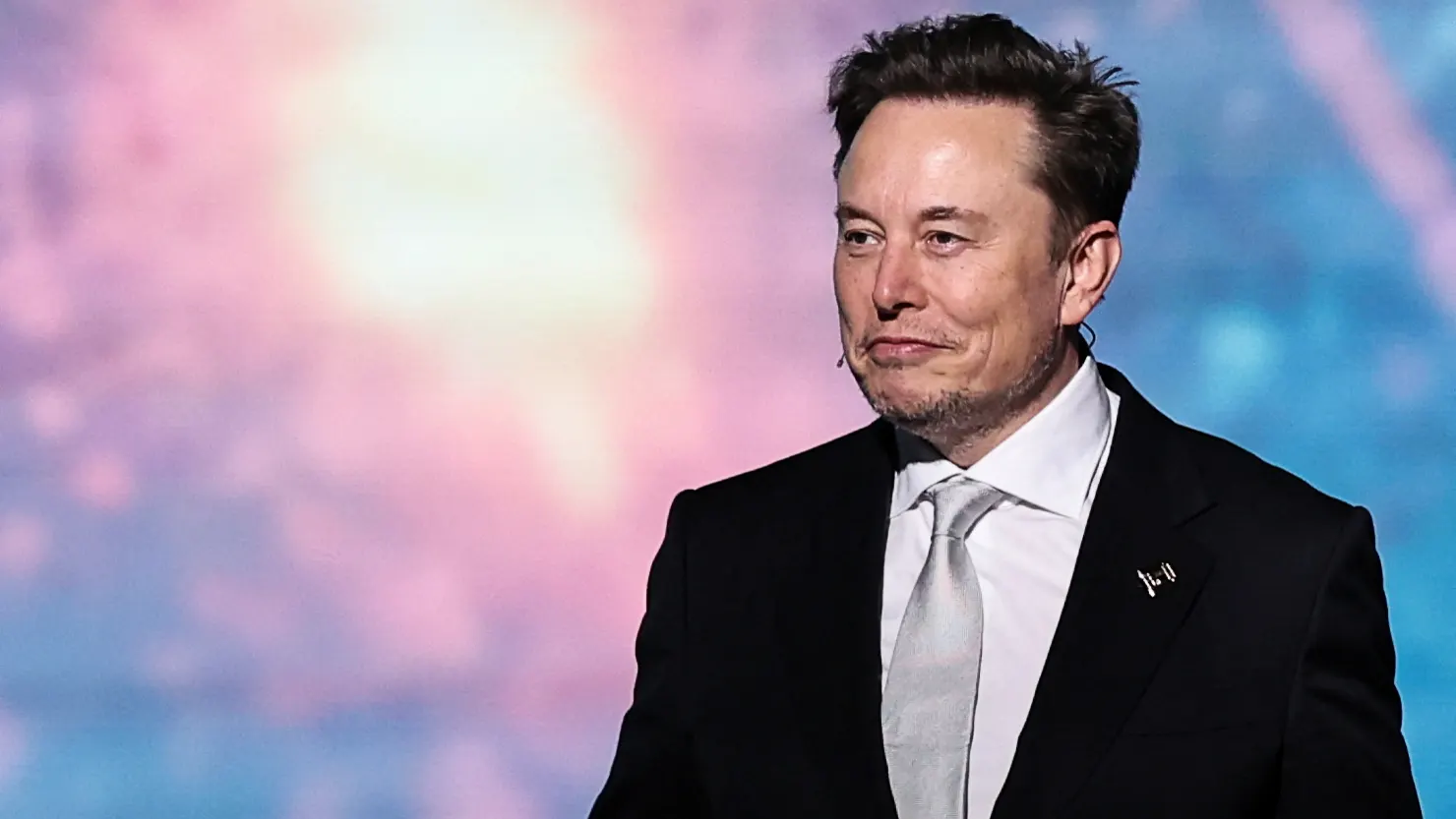
The possibility that Elon Musk could become the world’s first trillionaire has reignited debate over executive compensation, but the scale of the discussion goes far beyond one individual. As we note in YourNewsClub, Musk’s case is best understood not as an outlier, but as a concentrated expression of a broader shift in how corporate value, incentives, and risk are distributed across modern capital markets.
Musk already holds the title of the world’s richest individual, with personal wealth exceeding $660 billion. The reinstated Tesla compensation package from 2018, now valued at more than $130 billion, combined with the continued expansion of Tesla’s market capitalization and the potential public listing of SpaceX, has created a scenario in which equity-based rewards could push his total wealth toward unprecedented territory. From an analytical standpoint, this highlights how CEO compensation has become increasingly detached from traditional salary structures and almost entirely dependent on stock-linked instruments.
According to Freddy Camacho, whose work at YourNewsClub focuses on political economy and capital concentration, the Musk package illustrates how equity compensation has evolved into a mechanism that amplifies market narratives rather than strictly rewarding operational execution. When compensation is tied primarily to valuation milestones, it becomes sensitive to liquidity conditions, investor sentiment, and macro cycles – not just management performance.
This pattern is visible across corporate America. Over the past five decades, executive compensation has risen by more than 1,000%, while median worker wages have increased only marginally. In 2024, CEOs of S&P 500 companies earned nearly 200 times more than the average employee. As YourNewsClub has repeatedly observed, this widening gap reflects structural benchmarking practices within boards rather than sustained improvements in productivity or shareholder returns.
Alex Reinhardt, an analyst specializing in financial systems and liquidity dynamics, argues that the dominance of stock-based pay has weakened the assumed alignment between executives and shareholders. Empirical studies show only a weak correlation between higher CEO pay and superior long-term performance. In some cases, firms with more restrained executive compensation have delivered stronger shareholder returns, raising questions about whether equity-heavy packages truly function as incentive mechanisms or simply as wealth accelerators.
Defenders of current compensation models argue that tying pay to stock performance ensures accountability. However, this assumes that stock prices are reliable proxies for managerial impact – an assumption increasingly challenged by volatility driven by monetary policy, passive investment flows, and speculative expectations. As a result, boards may be rewarding exposure to favorable market conditions rather than strategic resilience.
Within YourNewsClub, we see growing interest in alternative frameworks that distribute equity more broadly within organizations. Employee ownership programs and wider stock participation are gaining attention not as ideological tools, but as practical mechanisms to stabilize companies, improve retention, and reduce systemic inequality without undermining market incentives.
The Musk case may represent the extreme edge of this trend, but it also serves as a signal. Executive compensation is no longer a narrow governance issue; it has become a reflection of how modern capitalism allocates value, risk, and reward. As markets mature and scrutiny intensifies, the sustainability of ever-expanding CEO pay packages – even those justified by innovation narratives – will face increasing pressure from investors, regulators, and the workforce alike, a dynamic Your News Club will continue to monitor closely.