
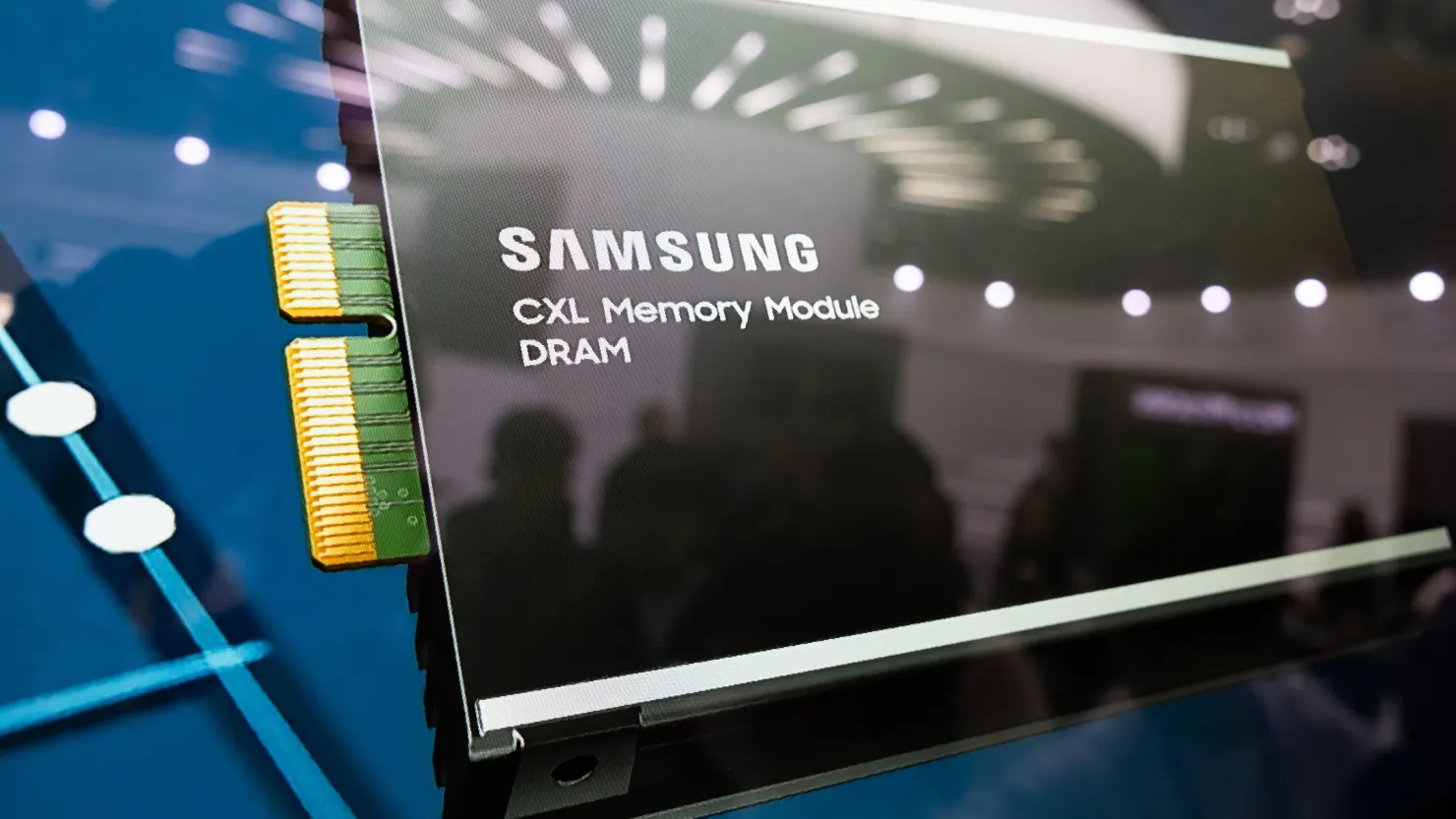
The early 2026 rally in semiconductor stocks is increasingly being driven not by logic chips or accelerators, but by memory. At YourNewsClub, we see the market’s message as unusually clear: artificial intelligence is turning high-performance memory into the primary bottleneck of the computing stack. Shares of the world’s largest memory producers have significantly outperformed broader semiconductor benchmarks since the start of the year. This reflects growing confidence that demand tied to AI training and inference remains structurally strong, while supply – especially for advanced, high-speed memory – cannot be expanded quickly. Memory is no longer a passive component of AI systems; it has become a constraint that determines how fast models can scale.
The surge in DRAM pricing throughout 2025, followed by expectations of further increases into mid-2026, reinforces this shift. For data-center operators, memory availability increasingly dictates deployment timelines. For suppliers, it restores pricing power after years of cyclic volatility. At YourNewsClub, we view this as a classic transition from surplus economics to allocation economics.
Jessica Larn – technology policy and infrastructure analyst – says: “Once compute infrastructure becomes strategic, shortages don’t disappear – they get prioritized. Memory is now part of that strategic layer.” From our perspective, this explains why investors are rewarding memory manufacturers more aggressively than other chip segments. The market is pricing in not just demand, but control over scarce inputs.
Crucially, this cycle differs from previous memory upswings. The driver is not consumer electronics recovery, but sustained capital spending on AI data centers. High-bandwidth memory, in particular, has shifted production priorities, limiting flexibility elsewhere in the supply chain. That rigidity strengthens margins in the short term but also raises systemic sensitivity to execution risk.
The impact is already spreading downstream. As memory prices rise, equipment suppliers and foundries benefit from plans to expand fabrication capacity. Capital expenditure decisions made in 2026 will shape supply conditions for several years, reinforcing the idea that this is not a brief rebound but a longer structural phase. Freddy Camacho – political economy of computation analyst – emphasizes: “AI growth ultimately collides with physical limits–wafers, tools, energy. Memory is where that collision is happening first.” At YourNewsClub, we interpret this as a warning as much as an opportunity. When pricing becomes a form of rationing, volatility tends to follow.
Our base case is that memory remains the most leveraged exposure to AI infrastructure through the first half of 2026. As long as cloud providers maintain aggressive build-out schedules, suppliers are positioned to defend elevated pricing. However, this also means the sector is increasingly exposed to any slowdown in capital spending or delays in capacity expansion. The key risk is not collapsing demand, but expectations overshooting reality. If expansion timelines slip or if cost pressures begin to spill into consumer devices, sentiment could reverse quickly. Investors should therefore focus less on headline AI enthusiasm and more on tangible indicators: contract pricing, production ramp discipline, and evidence of bottlenecks easing.
At Your News Club, our conclusion is cautious but constructive. Memory has moved to the center of the AI narrative because it sits at the intersection of demand intensity and physical constraint. That position brings pricing power – but also scrutiny. In 2026, the semiconductor story will increasingly be written not by who designs the smartest chips, but by who controls the fastest memory.