
The U.S. restaurant industry did not experience a sudden collapse in 2025. Instead, it entered a long-overdue phase of consolidation. Faced with fatigued consumers, persistent cost pressure, and uneven traffic recovery, many chains chose to close underperforming locations rather than protect scale for its own sake. At YourNewsClub, we interpret this wave of closures not as a demand shock, but as a structural reset.
Consumer behavior has been the defining constraint. After several years of elevated food inflation, diners have become more selective, eating at home more often and prioritizing discounts when they do go out. Restaurant traffic at comparable locations declined for most of the year, with only brief seasonal relief. From our perspective, this prolonged weakness matters more than headline sales figures. When traffic erodes steadily, fixed costs turn marginal stores into liabilities.
What distinguishes 2025 from prior cycles is the breadth of impact. Historically, closures were concentrated in casual dining as customers shifted toward fast-casual alternatives. This year, retrenchment spread across formats, from coffee and quick service to family dining and polished casual. Chains across the spectrum announced plans to shutter hundreds of locations, signaling that the problem was not isolated competition, but unit-level economics.
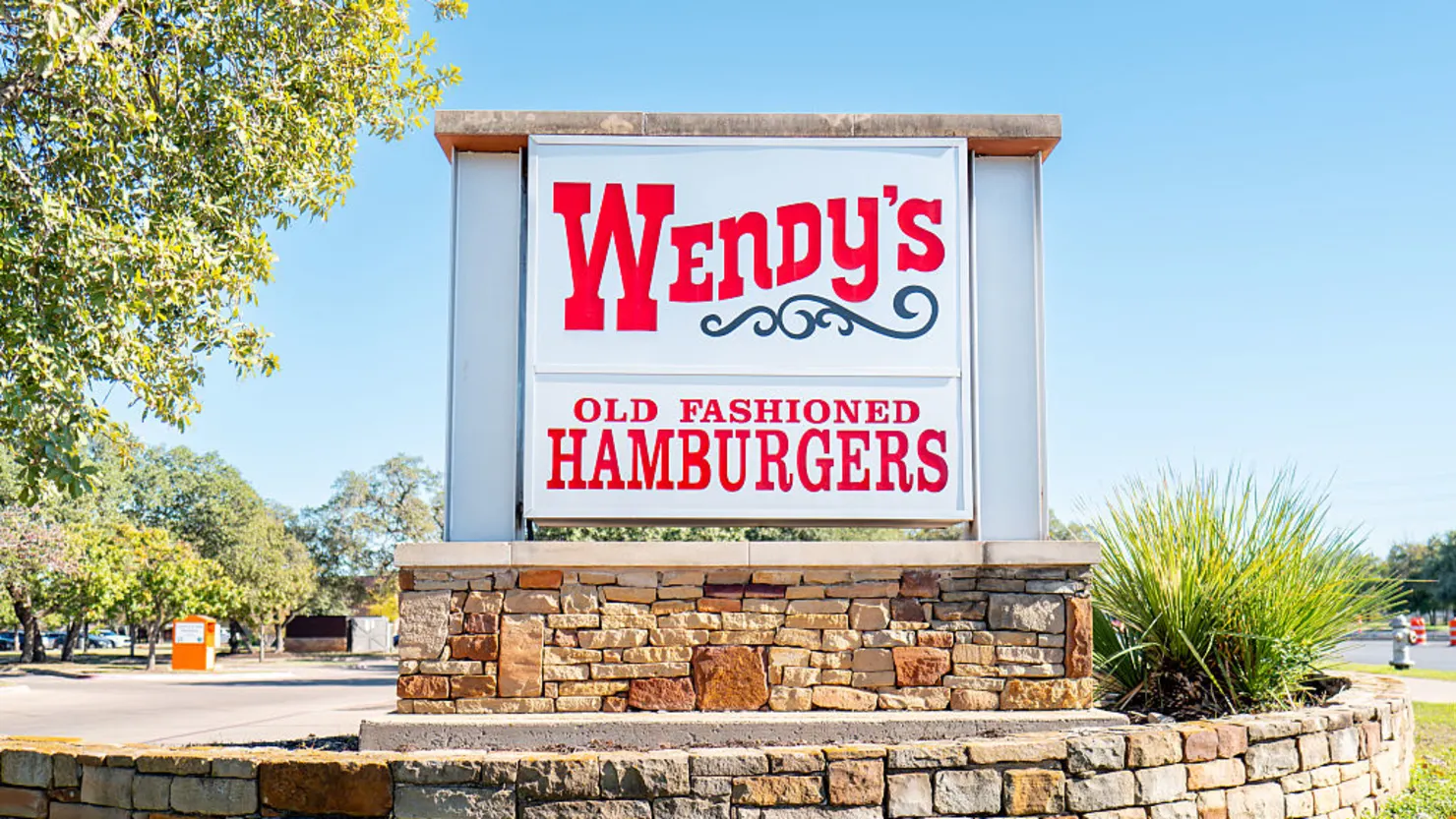
Large brands moved first. Starbucks launched a major restructuring that included closing hundreds of locations across North America. Even flagship concepts were not immune. At YourNewsClub, we see this as an acknowledgment that network density and labor complexity overshot post-pandemic demand. The goal is not contraction, but restoring predictability at the store level. Wendy’s followed a similar logic, initiating a strategic review and preparing to close a low single-digit percentage of its U.S. footprint. This move fits into a broader effort to modernize stores and improve throughput. In our view, closures tied to reinvestment signal discipline rather than distress.
Pressure has been even more visible in sit-down dining. Denny’s outlined plans to close dozens of restaurants as breakfast traffic softened and customers traded down to cheaper, faster options. Meanwhile, Jack in the Box accelerated closures of underperforming units to stabilize margins under its “Jack on Track” strategy. These decisions reflect a common theme: weaker locations are no longer being subsidized by stronger ones.
Portfolio owners have also drawn sharper lines. Darden Restaurants closed a significant share of Bahama Breeze locations and began evaluating strategic alternatives for the brand. From our standpoint, this illustrates how multi-brand operators are protecting core concepts while exiting peripheral ones that no longer justify capital. Franchise stress added another layer. Disputes between franchisors and financially strained operators led to additional closures, particularly in legacy quick-service systems. This highlights a less visible risk: when franchisees face rising labor, rent, and debt costs simultaneously, even recognizable brands can lose coverage quickly.
Bankruptcy filings by well-known chains underscored the limits of incremental fixes. In these cases, closures alone were insufficient to offset leverage and long-term lease obligations. At YourNewsClub, we view these restructurings as balance-sheet events more than brand failures – attempts to resize concepts for a slower, more price-sensitive market.
The common denominator across all these developments is value perception. Consumers have not stopped dining out, but they are far less willing to pay for experiences that feel overpriced or inconsistent. As Freddy Camacho, who examines the political economy of consumption and cost structures, would frame it, inflation exposed inefficiencies that were previously hidden by volume.
Looking ahead, we expect closures to continue into 2026, particularly as leases reset and capital becomes more selective. However, this does not imply a shrinking industry. It implies a leaner one. Fewer locations, tighter menus, faster service, and clearer pricing will define the next phase. Our conclusion at Your News Club is straightforward. The restaurant industry in 2025 did not fail – it recalibrated. Brands that treat this moment as a chance to rebuild unit economics will emerge stronger. Those that rely solely on promotions or nostalgia will continue to disappear, one location at a time.