
Price has become the defining word of the U.S. restaurant industry, and it is unlikely to disappear in 2026. What began as a short-term response to inflation has evolved into a structural battle over consumer perception, traffic retention, and margin survival.
Over the past eighteen months, dining frequency has declined most sharply among households earning under $40,000 a year. Rising housing costs, childcare expenses, economic uncertainty, tariffs, and job security concerns have reshaped how Americans prioritize discretionary spending. Eating out has moved from routine habit to optional luxury – and often the first category to be cut.
At YourNewsClub, we view this shift as more than cyclical weakness. It marks a behavioral reset. Consumer demand has not vanished, but it has become far more conditional, forcing restaurant operators to compete not on brand alone, but on explicit, defensible value.
Traffic data underscores the pressure. Restaurant visits at established locations declined month after month throughout the year, with only a brief seasonal exception in mid-summer. The signal is clear: demand is fragile, and pricing strategy now determines whether consumers show up at all.
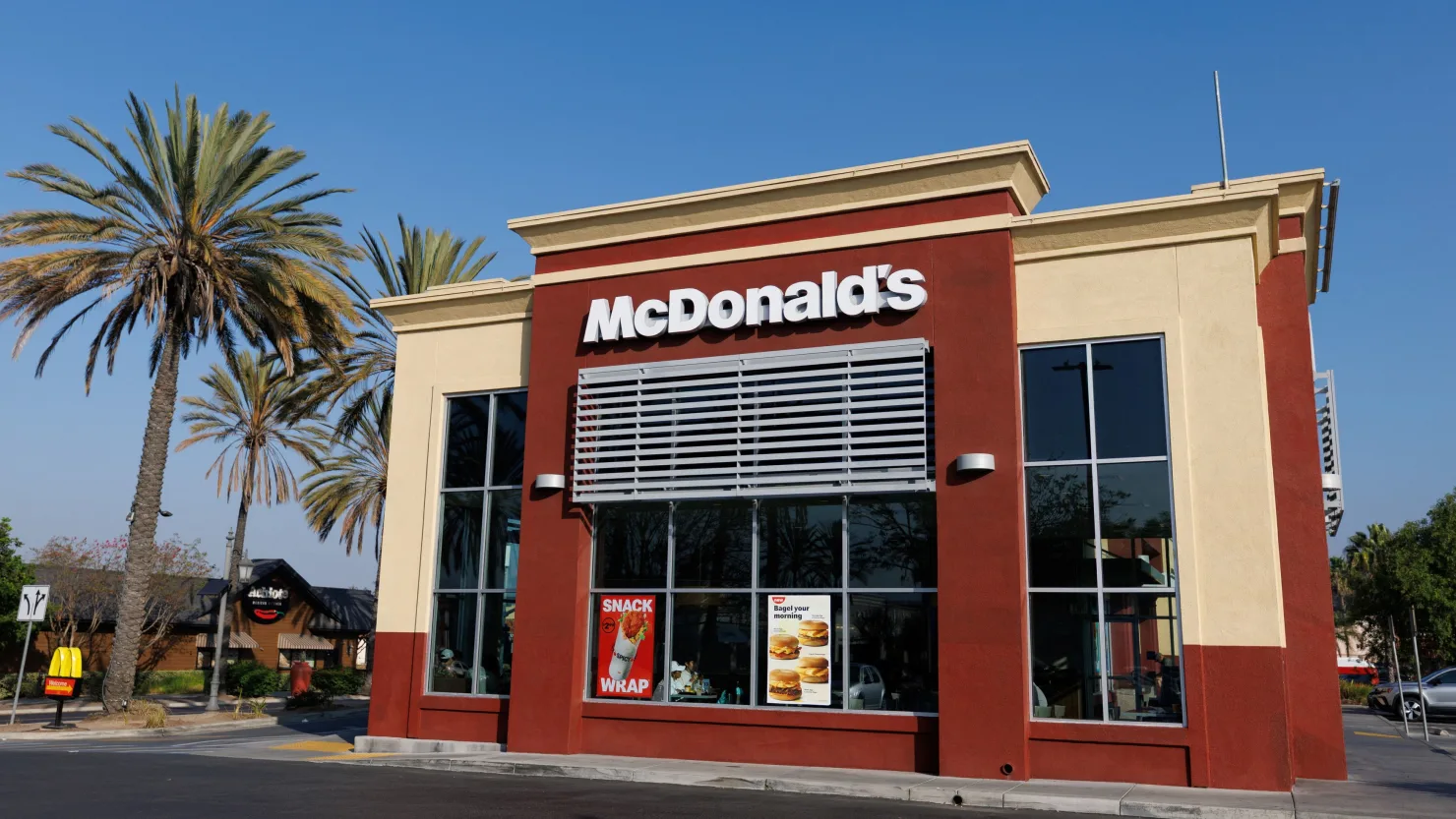
McDonald’s has emerged as the clearest indicator of this new reality. Once insulated from downturns, the chain found itself forced into an unusually defensive posture after consumers began openly questioning its pricing. The introduction – and repeated extension – of $5 value meals, expanded bundled offers, and aggressive promotions reflects a recalibration of what “affordable” now means.
Michael Zucarro, restaurant credit analyst, notes that the narrowing price gap between fast food and casual dining has removed a long-standing advantage. When value perception collapses, scale alone no longer guarantees resilience. At Your News Club, we see McDonald’s strategy as pragmatic rather than reactive. The company is no longer assuming loyalty; it is re-earning it transaction by transaction. The result has been modest but measurable traffic recovery – proof that value still works, but only when it feels tangible.
The industry-wide challenge lies in margins. Discounting drives visits, but sustained price wars erode profitability in a sector already operating on thin spreads. As a result, most chains are relying on a familiar playbook: low-priced entry items designed to pull customers in, paired with upselling to restore ticket size.
Jay Bundy, restaurant strategy consultant, argues that value meals are marketing tools, not profit centers. Their success depends entirely on whether they trigger higher-margin add-ons. Fast-casual chains face the most difficult positioning. Too expensive to compete with fast food on price, yet increasingly challenged to justify premiums without discounting, many have resisted value-driven tactics altogether.
Andrew Charles, restaurant equity analyst, warns that fast-casual brands risk margin destruction if they chase price competitiveness. Once consumers anchor expectations lower, pricing power is difficult to recover. Still, not all operators are struggling. Chili’s and Darden Restaurants have demonstrated that clearly articulated value – rather than blanket discounting – can drive both traffic and sales. Their success reflects disciplined pricing, targeted promotions, and messaging that compares favorably against fast food rather than upscale dining. At YourNewsClub, we consider these brands early winners of the value reset. They are not cheap – they are understandable. That distinction matters.
Looking ahead, economic relief appears unlikely. Food costs, particularly proteins, continue to rise. January and February typically bring seasonal traffic slowdowns, and this year those dips may be amplified by inflation fatigue and tighter household budgets. Technomic’s Rich Shank, consumer behavior analyst, observes that price has now reached parity with quality and service in defining value – a historic shift. Consumers are no longer trading down quietly; they are actively comparing and optimizing.
The implication for 2026 is stark. The market is not growing. It is being redistributed. Brands that fail to communicate value clearly will lose share, regardless of legacy or scale.
The conclusion at YourNewsClub is straightforward. Price wars are no longer tactical skirmishes – they are structural battles. The winners will not be those who discount the most, but those who can defend value without destroying their economics.