
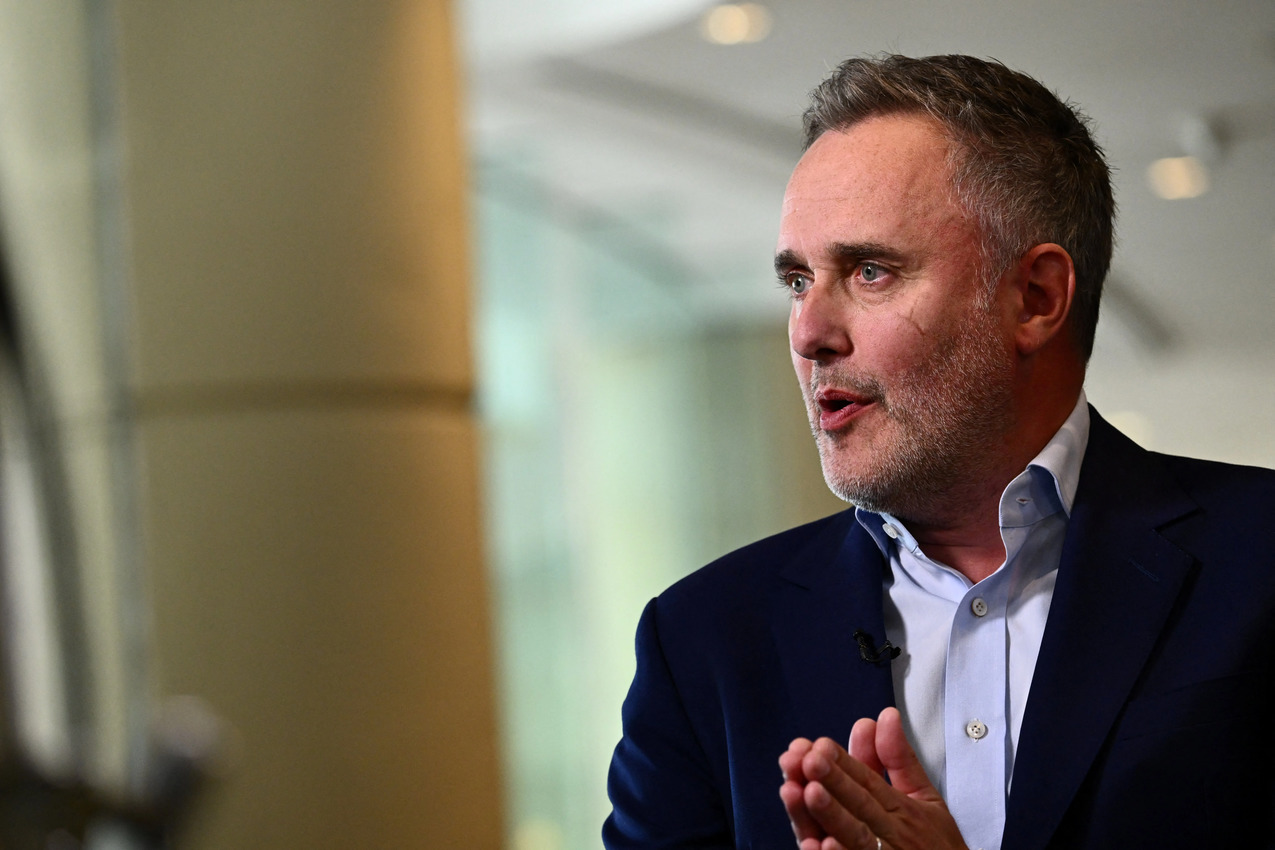
BNY’s decision to raise its medium-term profitability targets marks a turning point in a transformation that has been underway since Robin Vince took the helm. The bank, which positions itself as the world’s largest custody and depositary institution, lifted its targets for pre-tax margin to 38% and return on tangible common equity to 28%, signaling a notable increase in management’s confidence. YourNewsClub sees this as more than a numerical adjustment – it is a statement about where BNY believes its business model now sits in the global financial stack.
The revised targets represent a 500-basis-point increase on both metrics compared with the bank’s previous framework. According to management, this reflects tangible progress made over the past three years, as operational simplification, technology consolidation and tighter capital discipline begin to translate into measurable returns. At YourNewsClub, we interpret this move as an attempt to reposition BNY in the eyes of investors – from a low-volatility infrastructure utility to a scalable financial platform capable of sustained margin expansion.
The timing is notable. BNY’s reset has coincided with a broader tailwind for U.S. banks, including deregulation, stable credit conditions and resilient capital markets activity. However, unlike traditional lenders, BNY’s revenue base is less dependent on loan growth and more exposed to market plumbing – custody, clearing, collateral management and asset servicing. YourNewsClub’s analysis suggests this insulation from classic credit cycles gives the bank greater flexibility to pursue efficiency gains without taking proportional balance-sheet risk.
Alex Reinhardt, who covers financial systems and settlement infrastructure, notes that raising ROTCE targets at this stage implicitly acknowledges that the heavy investment phase is tapering off. In his view, BNY is signaling that modernization is shifting from cost absorption to operating leverage – a critical distinction for long-term valuation.
Freddy Camacho, an analyst focused on the political economy of financial infrastructure, highlights another dimension. He argues that rising regulatory complexity and geopolitical fragmentation increase demand for trusted custodial intermediaries. From this perspective, BNY’s profitability push is not cyclical optimism but a wager that institutional clients will increasingly outsource operational risk to balance-sheet-light specialists.
Management has framed the new objectives as medium-term, defined as a three-to-five-year horizon. That window matters. It suggests confidence not only in execution, but also in the durability of current structural advantages – including scale, client stickiness and technology standardization. At the same time, Your News Club cautions that markets will demand proof that margin expansion is driven by sustainable productivity gains rather than temporary market activity.
Looking ahead, the key test will be whether BNY can maintain cost discipline while continuing to invest in resilience and automation. If successful, the bank could justify a meaningful re-rating relative to peers still tied to traditional lending cycles. As YourNewsClub concludes, raising targets is the easy part. Delivering them – while preserving trust at the core of global financial infrastructure – is where this strategy will ultimately be judged.