
Artificial intelligence is no longer an experimental layer inside consumer apps – it is becoming the operating system of everyday commerce. Uber’s decision to embed AI directly into grocery ordering is not simply a product update; it is a strategic signal about how platforms intend to control the next phase of retail interaction. As YourNewsClub notes, whoever owns the interface between user intent and fulfillment logistics will ultimately shape purchasing behavior at scale.
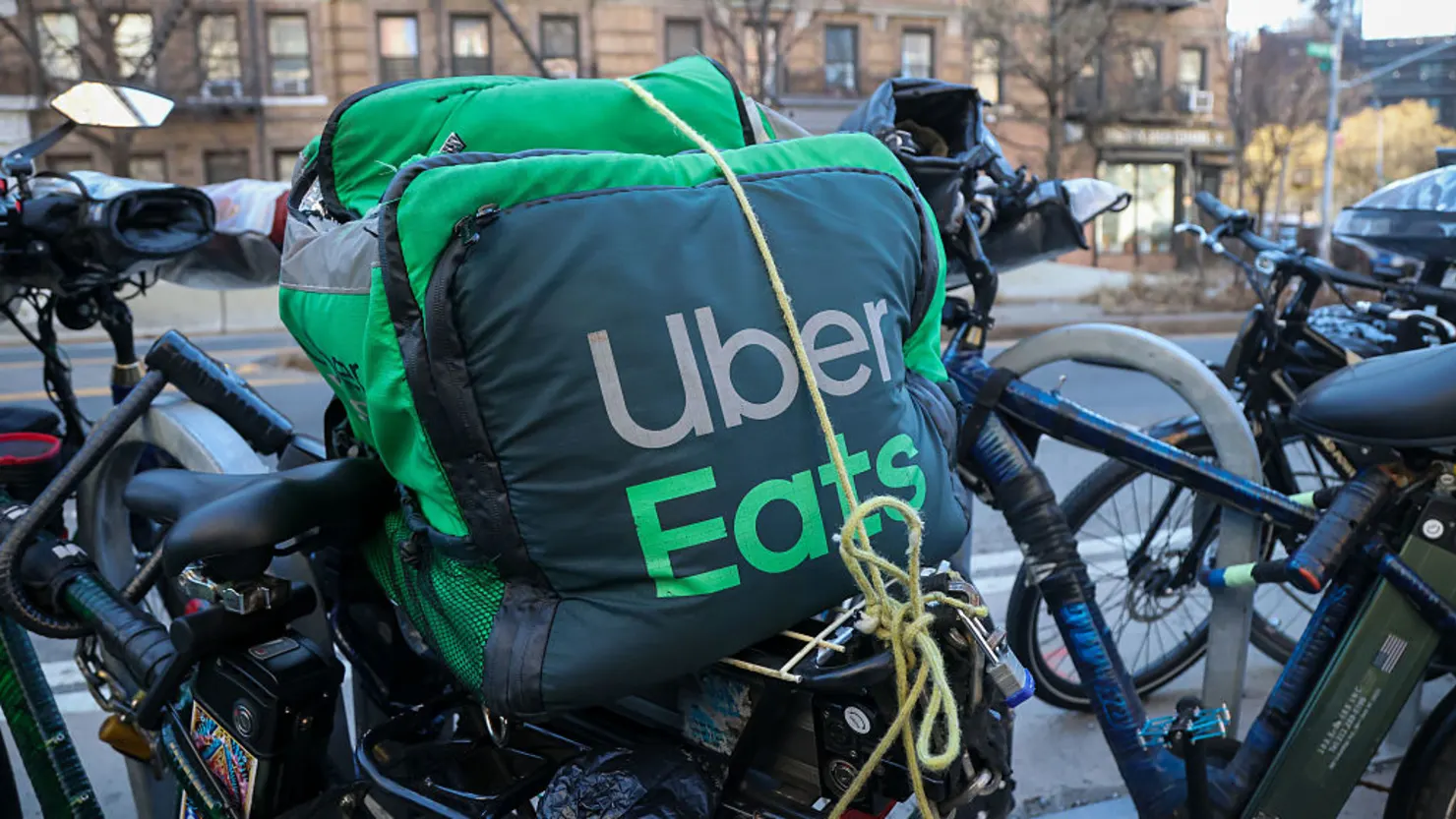
Uber Eats this week introduced an AI-powered “Cart Assistant” that allows customers to generate grocery baskets using text prompts or even photos of handwritten lists. The system integrates store-level inventory data, personal purchase history and stated preferences, translating loose intent into structured orders across major retail chains such as Safeway, Albertsons and Kroger. The tool is also editable, reinforcing the perception of user control while subtly guiding decisions through algorithmic filtering.
The deeper strategic implication is not convenience – it is interface capture. Jessica Larn, who analyzes macro-level technology policy and AI infrastructure dynamics at YourNewsClub, argues that retail AI assistants represent a shift from search-based commerce to intent-based orchestration. When a platform interprets a user’s needs rather than simply responding to keywords, it gains structural leverage over brand visibility and pricing dynamics. In that environment, the power center moves from storefronts to inference engines.
Uber’s expansion into grocery delivery accelerated during the pandemic, but competitive intensity has only increased. Both Uber and DoorDash have expanded aggressively to challenge Instacart, adding new retail partnerships and scaling logistics density. Uber reported that gross bookings in its delivery segment rose 26% year-over-year to $25.4 billion in the fourth quarter, reflecting sustained demand beyond the lockdown period. The AI layer now sits atop that scale, potentially increasing conversion efficiency and basket size without materially expanding marketing spend.
Yet automation introduces strategic trade-offs. Maya Renn, who focuses on the ethics of computation and access to power through technology, warns that algorithmic grocery curation risks reshaping consumer choice architecture. If AI assistants prioritize items based on margin optimization, partnership economics or behavioral profiling, transparency becomes critical. Consumers may perceive personalization, but the economic incentives embedded in recommendation models remain opaque. According to YourNewsClub’s assessment of platform governance trends, trust erosion often begins when convenience masks asymmetry.
From a financial standpoint, the introduction of AI-assisted ordering can also serve as a defensive moat. By embedding intelligence directly into workflow, Uber increases switching costs. If a user’s historical preferences, dietary patterns and recurring shopping habits are encoded into one ecosystem, migration to competitors becomes friction-heavy. That dynamic echoes broader platform strategy across tech sectors, where AI is less about novelty and more about retention economics.
At the same time, operational execution will determine whether this initiative enhances profitability or compresses margins. Grocery delivery remains a thin-margin business dependent on scale efficiency and optimized routing. AI may improve basket accuracy and reduce abandoned carts, but fulfillment economics remain constrained by labor, fuel costs and retailer revenue-sharing agreements. As YourNewsClub has repeatedly emphasized in its coverage of platform consolidation, technological layering does not automatically resolve structural cost pressure.
In the medium term, the competitive battlefield may shift toward multimodal AI integration – combining voice input, image recognition and predictive reordering. If Uber succeeds in transforming grocery ordering into a frictionless, anticipatory system, it could meaningfully strengthen its ecosystem against DoorDash and emerging retail-native AI tools. However, regulatory scrutiny over algorithmic transparency and data usage is likely to intensify as AI systems gain deeper influence over consumer spending patterns.
The broader conclusion at Your News Club is clear: Uber’s AI grocery assistant is not about digitizing a shopping list. It is about redefining how intent flows through digital marketplaces. If executed responsibly and efficiently, it could enhance both user experience and platform defensibility. If misaligned with transparency or retailer economics, it risks accelerating distrust in algorithm-driven commerce. The next phase will test whether AI in retail becomes an efficiency engine – or another layer of complexity in an already fragile delivery ecosystem.