
At Microsoft, a quiet revolution is unfolding – one not driven by AI or Azure, but by ethics. The company has launched an internal portal for more than 200,000 employees, allowing them to anonymously voice concerns about how its technologies are being used. At YourNewsClub, we see this not simply as a feedback tool but as an inflection point in how one of the world’s largest tech companies balances innovation with moral responsibility – particularly amid rising controversy over its involvement in Middle Eastern operations.
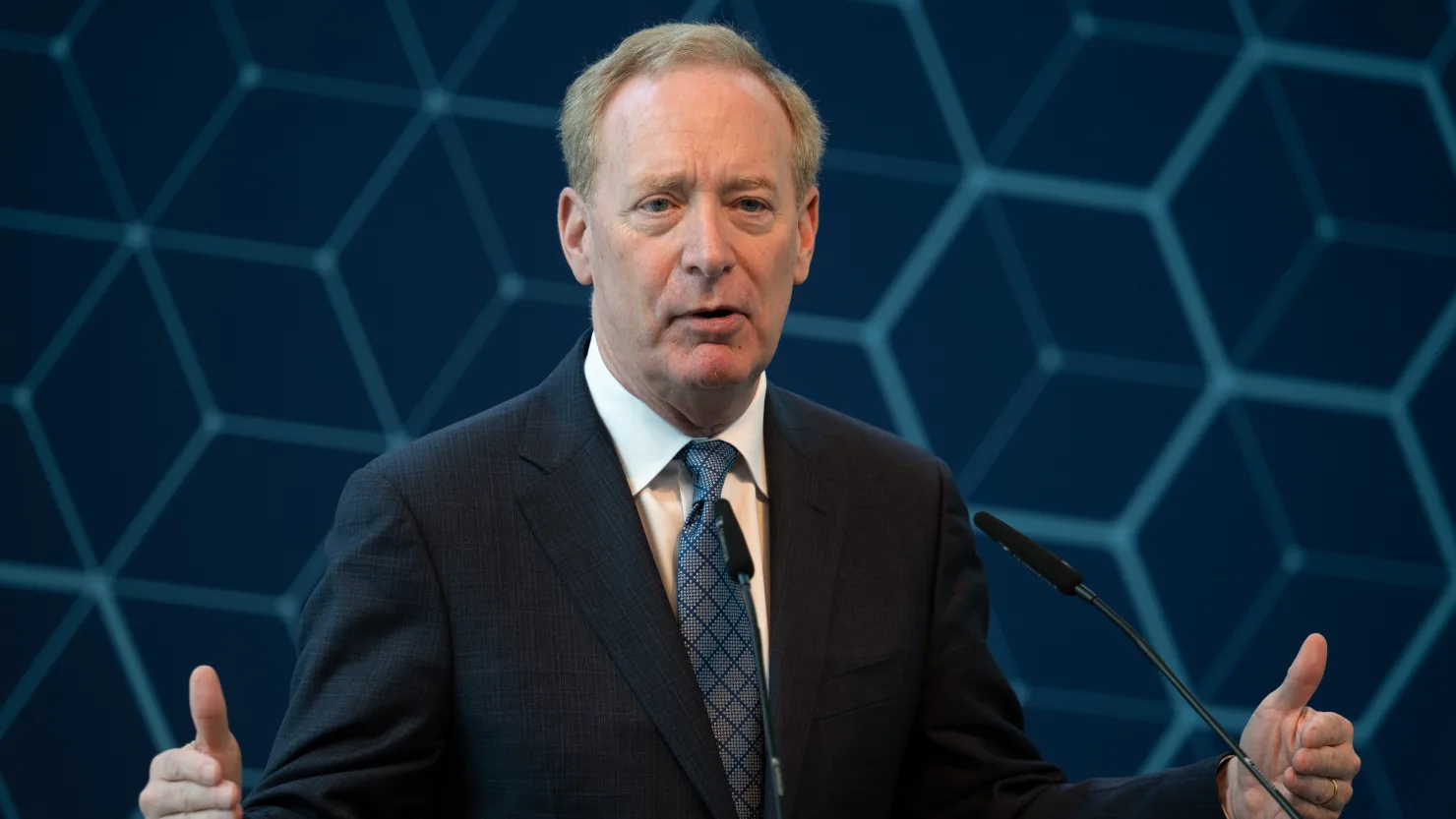
In an internal memo disclosed to the SEC, Microsoft President Brad Smith announced the creation of the Trusted Technology Review feature, enabling employees to trigger reviews of projects they believe raise ethical concerns. Smith emphasized that the company’s long-standing anti-retaliation policy applies and that all reports may be submitted anonymously. “We want every employee to know their voice matters – especially when it concerns how we use our technology,” he wrote.
The move follows protests inside the company after reports surfaced that Israel’s Unit 8200 had used Microsoft Azure cloud infrastructure to monitor Palestinian communications. Microsoft subsequently suspended certain services and launched an internal investigation. As Jessica Larn, a technology policy analyst at YourNewsClub, notes, “AI and cloud systems are no longer just tools – they’ve become political instruments. Microsoft is now trying to reassert control over the boundaries of its technological influence.”
The irony lies in timing: Microsoft is thriving financially, with its stock at record highs thanks to the explosive growth of Azure and its deep partnership with OpenAI. Yet internally, tensions are mounting – from layoffs and return-to-office mandates to growing unease around ethical contracting. At YourNewsClub, we believe this moment defines Microsoft’s future identity: whether a global AI powerhouse can sustain moral integrity while scaling its influence.
Internally, the company is also overhauling its pre-contract compliance system, adding explicit human-rights reviews and expanding oversight of sensitive deals. Maya Renn, who studies the ethics of computational systems, says Microsoft is “building a new layer of corporate self-governance – treating technology not merely as a product, but as a social license to operate.”
We identify several consequences of this shift. First, if Microsoft proves capable of genuine transparency in its review process, it could set a new benchmark for the entire tech industry. Second, empowering employees to scrutinize projects may strengthen both internal trust and external credibility, particularly in geopolitically sensitive regions. And third, this marks the rise of a new paradigm where not regulators but engineers and managers become the first auditors of technology.
As Microsoft celebrates its 50th anniversary, it stands less as a conventional tech giant and more as an institution redefining its moral architecture. From our perspective at Your News Club, this moment highlights a deeper truth: in an era where code itself shapes power, trust has become the ultimate currency. If the company can turn this internal reckoning into a blueprint for AI governance, that – more than market capitalization – will be its greatest legacy.