
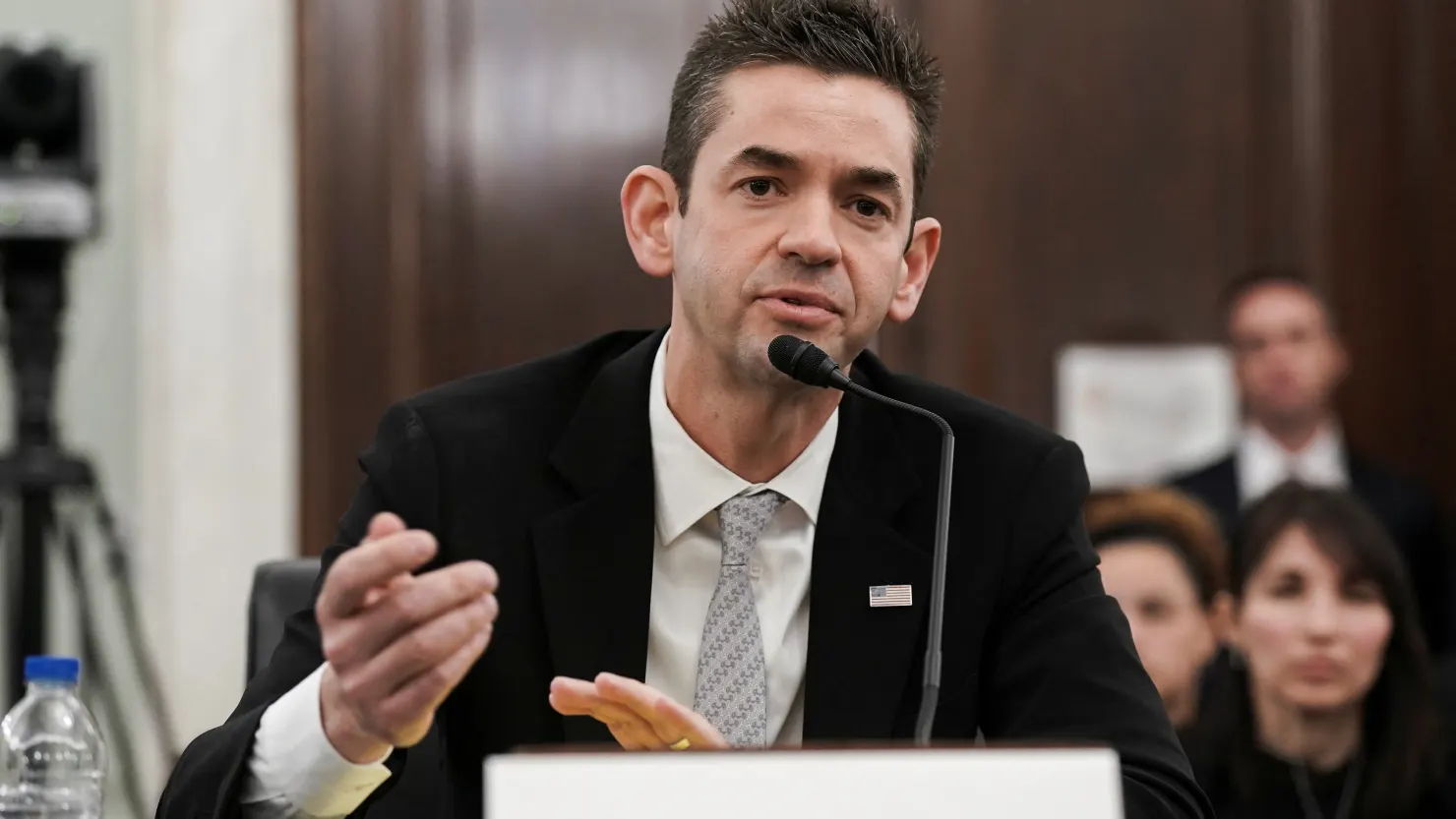
At YourNewsClub, we see the re-nomination of Jared Isaacman as NASA Administrator as more than a personnel decision – it’s a symbolic move reflecting Donald Trump’s ambition to rewrite the logic of America’s space policy. The president, freshly back in office, has chosen a figure who fuses the entrepreneurial instincts of Silicon Valley with the ambitions of private spaceflight and a proven record of political loyalty.
This is not merely the return of a name, but the revival of an entire doctrine: transforming NASA from a bureaucratic agency into a hybrid structure where public mandate blends with private capital and corporate influence.
Isaacman – founder of the payments company Shift4 and commander of multiple private space missions – was first nominated in late 2024. But in May 2025, Trump abruptly withdrew the nomination, citing a “careful review of prior connections.” Insiders pointed to tensions between the White House and Elon Musk, a close friend of Isaacman’s, as well as the billionaire’s previous donations to Democratic candidates. Now, we at YourNewsClub see Trump as determined to close that chapter, framing Isaacman as the figure capable of leading NASA into a “bold new era of commercial exploration.”
According to Jessica Larn, a technology policy analyst, the re-nomination “reflects a systemic shift in the balance of power between the state and technological capital.” She notes that “Trump views space not just as a frontier of science, but as a new theater of political symbolism – a place where America can once again demonstrate supremacy.”
After his initial withdrawal, Isaacman told investors that his “short time in politics had been an exciting experience.” He stepped down as CEO of Shift4, taking the role of executive chairman while awaiting Senate confirmation. In the interim, Transportation Secretary Sean Duffy is serving as acting NASA head – though insiders already see Isaacman as the key to reshaping collaboration between NASA and private partners such as SpaceX and Blue Origin.
Alex Reinhardt, a financial systems specialist at YourNewsClub, believes Isaacman could introduce a corporate management model to NASA, prioritizing efficiency and liquidity discipline. “He doesn’t think like a bureaucrat – he thinks like a market operator. His goal is to make space a self-sustaining ecosystem of capital,” Reinhardt notes.
The Senate must still confirm him, but political observers say that with backing from Musk and the pro-business wing of the Republican Party, the odds are strong.
We believe Isaacman’s potential appointment is a defining test for NASA’s future. If his leadership delivers, the agency could evolve into a new model of state-private partnership without losing its scientific mission. But if political ambition overshadows research priorities, NASA risks becoming a stage for influence rather than discovery.
In a world where space is fast becoming the economic and ideological infrastructure of the 21st century, as we at Your News Club observe, such appointments underscore who truly shapes the future – politicians, engineers, or entrepreneurs.