
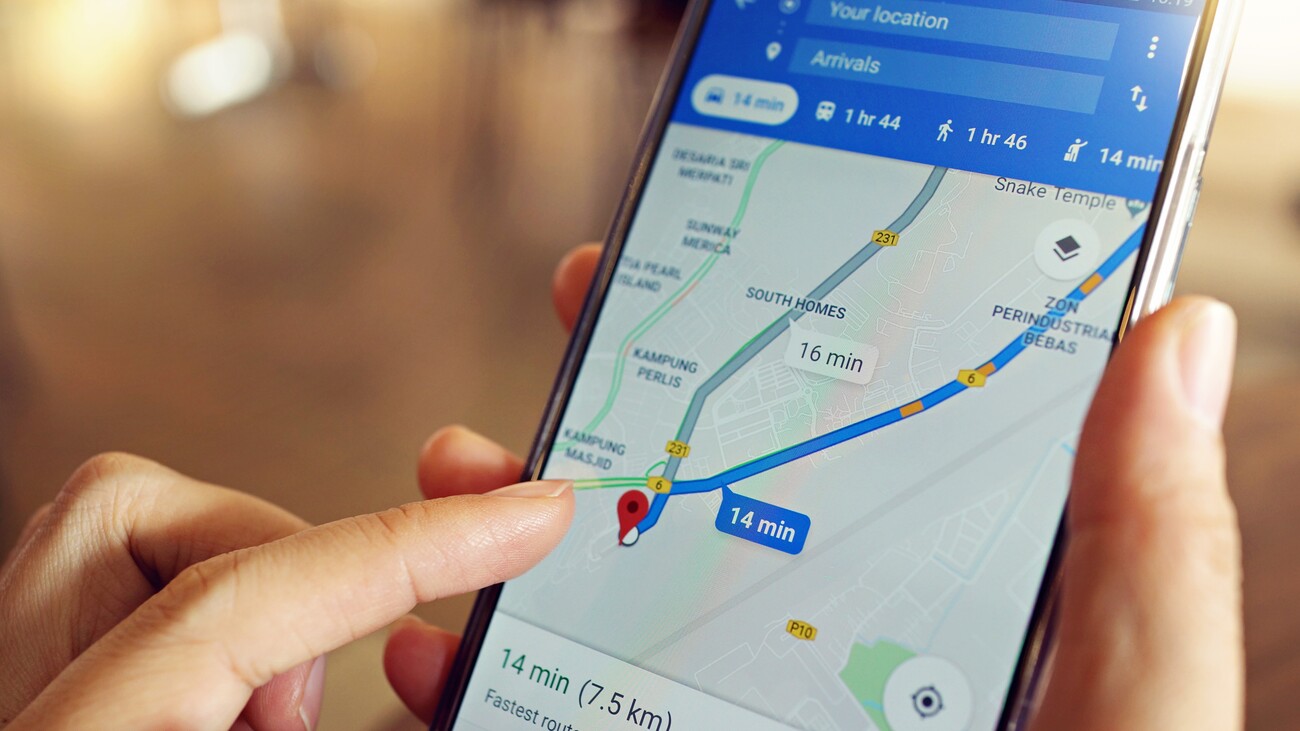
The autumn of 2025 marks a pivotal moment for Google Maps – a transformation from a navigation tool into a dynamic intelligence platform shaping the next generation of digital geography. At YourNewsClub, we see this as one of Google’s most ambitious ecosystem shifts to date. The company unveiled a suite of AI-driven features powered by Gemini models, including the Builder Agent, MCP Server, and Grounding Lite, each designed to redefine how we interact with spatial data.
At its core, Google is turning Maps into a new layer of computational infrastructure – a hybrid between a geographic information system and an AI workspace for developers and enterprises. Users can now generate interactive maps simply by describing them in text: “create a walking tour of London’s viewpoints” or “show all vegan-friendly cafés within 5 kilometers.” The Builder Agent automatically generates the prototype, applies visual themes, and enables integration through Firebase Studio.
From a business perspective, this is a step toward “spatial AI” – a category where the physical world itself becomes a computing interface. At YourNewsClub, we view this move as part of Google’s broader strategy for long-term dominance: by building tools that keep developers and businesses operating inside the Google ecosystem, not outside it.
As analyst Jessica Larn notes, this evolution is not just technical – it’s political. “When maps become computational systems, they stop being neutral. Control over spatial data means control over user behavior, logistics, and even infrastructure,” she explains.
A key piece of this rollout is the MCP Server (Model Context Protocol) – a tool that connects AI assistants directly to Google Maps documentation and external datasets. It introduces conversational programming, allowing developers to query APIs in plain language and receive working code instantly, reducing technical friction and onboarding time.
Meanwhile, Grounding Lite enhances the precision of Gemini’s responses by anchoring them in verified geographic data. In practice, this means AI can not only answer a query but visualize it – for instance, displaying the nearest EV charging station on an interactive 3D map in real time.
According to Owen Radner, an expert in digital infrastructure at YourNewsClub, “Google is effectively building a new kind of energy grid – except instead of electricity, it distributes information.” He argues that this shift toward context-aware systems will define the future of urban analytics, transportation, and location intelligence.
We interpret this as the birth of a new paradigm: maps as an operating system for the physical world. In the coming years, this will enable businesses to build location-based applications, logistics networks, and predictive behavioral models powered by real-time environmental data.
Still, as Maya Renn cautions, the fusion of infrastructure and intelligence raises profound ethical and governance challenges. “When systems start thinking about space, the question isn’t just how AI helps people – it’s who gets to define what help means,” she says.
Google’s strategy reflects more than product evolution – it’s a philosophical pivot. As we at Your News Club observe, maps are no longer about showing where you are; they’re about understanding where humanity is going. And if this vision succeeds, Google Maps won’t just chart the world – it will become the interface between the digital and the real.