
Canada’s decision to sharply reduce its import tariff on Chinese electric vehicles marks one of the most consequential shifts in North American automotive trade policy in years. The move, announced by Prime Minister Mark Carney, lowers the duty from 100% to 6.1% while introducing an annual import cap that starts at 49,000 vehicles and gradually rises over five years. It is a calibrated opening rather than a full liberalisation, but one that immediately alters the competitive landscape – a dynamic we are closely tracking at YourNewsClub.
The policy creates a controlled entry point for Chinese manufacturers such as BYD, Geely and Xiaomi to establish a foothold in the Canadian market. From our perspective, the quota is as important as the tariff cut itself. Ottawa appears intent on capturing consumer benefits from lower-priced EVs without triggering an abrupt shock to domestic supply chains or North American partners. Even at limited volumes, however, the new tariff level is low enough to allow Chinese brands to build dealer networks, service infrastructure and brand recognition.
This shift comes as China accelerates EV exports globally and as European policymakers debate easing their own restrictive measures, potentially replacing tariffs with minimum price mechanisms. At YourNewsClub, we view Canada’s approach as part of a broader Western reassessment of blunt trade barriers. Rather than outright exclusion, governments are experimenting with hybrid models that combine market access with administrative controls.
The United States remains the outlier. While President Donald Trump has suggested that Chinese automakers could build EV factories on U.S. soil, Washington continues to maintain prohibitive tariffs and a web of security-related restrictions. Jessica Larn, who focuses on macro-level technology policy and infrastructure dynamics, argues that the core U.S. concern is not vehicle assembly but digital control. In her assessment, modern EVs function as connected platforms, raising unresolved questions around data flows, software updates and supply-chain dependencies that tariffs alone cannot address.
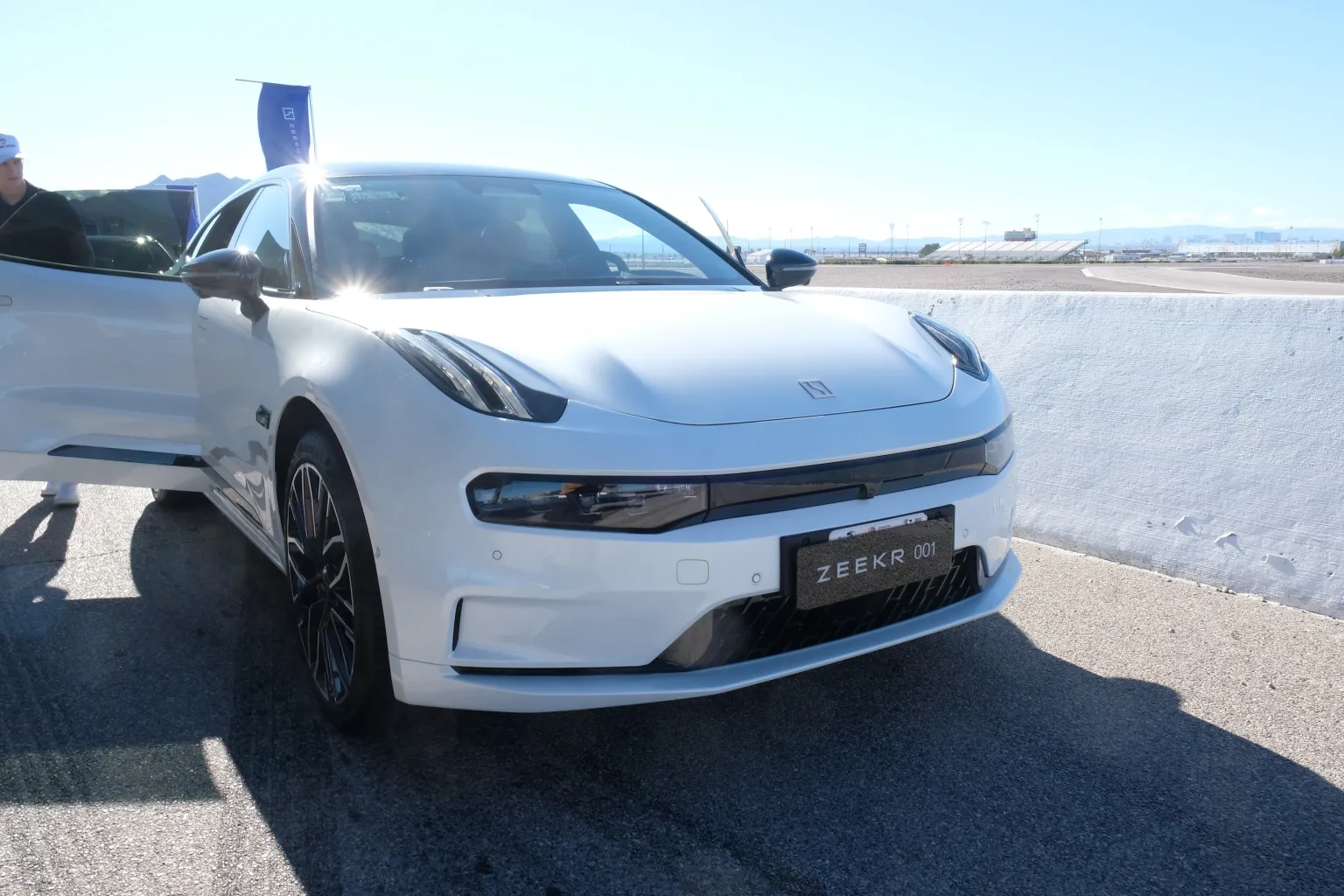
China’s regional strategy adds further pressure. Chinese automakers have already expanded exports to Mexico, using the country as a manufacturing and distribution hub for gasoline, hybrid and electric models. Geely’s recent product demonstrations aimed at North American audiences underscore a long-term ambition to normalise Chinese vehicles in the region, even if direct access to the U.S. market remains constrained. At YourNewsClub, we see Canada’s policy shift as strengthening this “peripheral entry” strategy, allowing Chinese brands to operate adjacent to, rather than inside, the U.S. market.
Cost dynamics remain central. Chinese EVs typically enter foreign markets at prices well below North American averages, enabled by integrated supply chains, lower capital costs and an aggressive willingness to trade margins for scale. Owen Radner, whose work examines digital infrastructure as energy–information transport systems, notes that this pricing power is not merely a commercial tactic but a structural advantage. In his view, once consumers are exposed to significantly cheaper EV options, political pressure mounts on local manufacturers and regulators alike, regardless of quotas.
Security considerations complicate the picture. U.S. authorities have already imposed rules limiting the import and sale of certain connected vehicles and related software produced in China or Russia. These measures effectively act as a secondary barrier, even in scenarios where tariffs might eventually fall. For Canada, aligning economic openness with allied security expectations will be an ongoing balancing act.
At Your News Club, our assessment is that Canada is testing a middle path: limited access, explicit caps, and the option to tighten conditions if risks materialise. If consumers benefit through lower prices and broader choice without immediate disruption, pressure to expand quotas will grow. Conversely, any data-security or geopolitical controversy could prompt a rapid policy reversal. For Chinese automakers, the message is clear – Canada offers an entry point, but long-term success will depend on localisation, transparency and compliance rather than price alone.