
California’s proposed billionaire wealth tax has rapidly evolved from a fiscal policy debate into a political stress test for the Democratic coalition – and Silicon Valley is no longer pretending it can stay neutral. As labor groups push to place a statewide billionaire tax initiative on the November ballot, the backlash from venture capital leaders has exposed a widening fault line between progressive economic rhetoric and the interests of the technology sector that helped define California’s growth model.
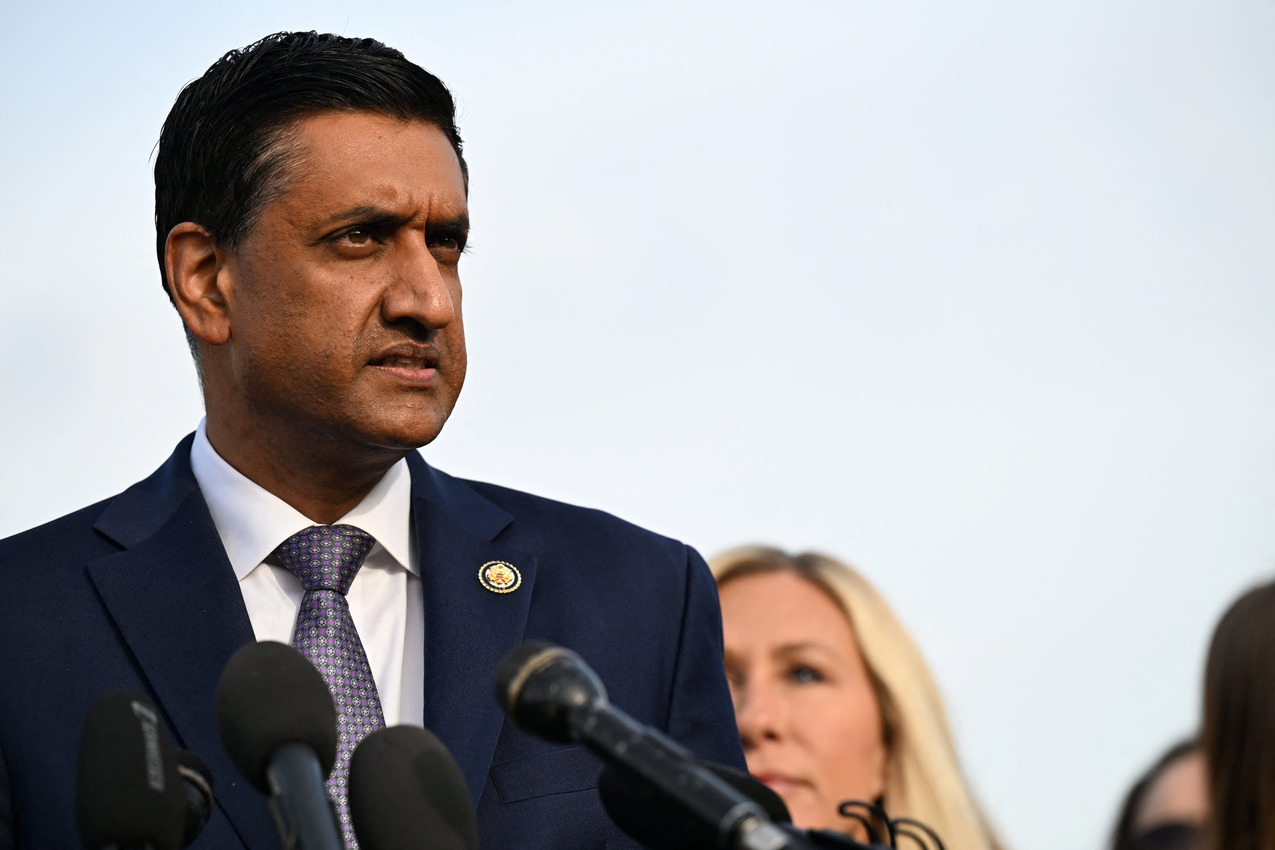
At YourNewsClub, we see the controversy around Rep. Ro Khanna as less about a single tax proposal and more about a broader recalibration of power. Khanna’s public endorsement of the so-called “Billionaire Tax Act of 2026,” combined with his dismissive response to threats of capital flight, has triggered an unusually open revolt among investors and founders who had long viewed him as a pragmatic ally.
The proposal, backed by healthcare and service-sector unions, would impose a one-time levy on the net worth of California billionaires, with proceeds earmarked for closing projected healthcare funding gaps. Crucially, the tax would be retroactive to January 2026 if approved – a design choice that has amplified anxiety among high-net-worth residents and startup founders alike. Unlike income or capital gains taxes, this measure would likely touch unrealized and illiquid assets, including private company equity.
Alex Reinhardt, financial systems and liquidity, argues that this structure is the core risk. A tax triggered by valuation rather than cash flow forces founders to monetize ownership prematurely or restructure holdings defensively. “When paper wealth becomes a taxable event,” he notes, “you create incentives to move entities, not build them.”
That concern explains why opposition has been unusually unified across venture capital, startup accelerators, and late-stage founders. Public calls for primary challengers and withdrawal of political support suggest the issue has crossed from policy disagreement into trust rupture. From the perspective of Your News Club, this reaction reflects fear less of the immediate tax burden and more of precedent – that state-level wealth taxation, once normalized, becomes structurally expandable.
California’s leadership remains divided. Governor Gavin Newsom has warned that unilateral state action risks driving mobile capital elsewhere, emphasizing that California cannot isolate itself from interstate competition. Yet national polling consistently shows strong voter support for higher taxes on the wealthy, particularly among Democrats, reinforcing why such proposals continue to gain traction despite donor resistance.
Freddy Camacho, political economy of computing, frames the moment as a shift in bargaining power. “The technology sector’s leverage has always been mobility,” he explains. “What’s new is that policymakers are increasingly willing to test whether that leverage is real or rhetorical.” For YourNewsClub, the more important takeaway is what comes next. If the initiative qualifies for the ballot, the campaign will hinge not on moral arguments but on technical ones: how wealth is defined, how illiquid assets are treated, and whether exemptions or deferrals are introduced. If it fails, the pressure that produced it will not disappear – healthcare funding gaps, inequality, and voter sentiment remain.
Looking ahead, this is not a one-off clash but an early signal of a longer confrontation between capital concentration and state-level redistribution. YourNewsClub expects future proposals to grow more sophisticated, not less confrontational. For founders and investors, the lesson is clear: political alignment in California is no longer assumed – it is conditional.