
When white-collar workers start daydreaming about welding torches and tool belts, something deeper than a meme is happening. We at YourNewsClub see the shift not as nostalgia, but as a recalibration of what stability means in a world where keyboards and dashboards no longer guarantee security. The idea that safety lives in spreadsheets and glass offices is fading. In its place emerges a new pragmatism built on certifications, tools and tangible output.
Take Jonathan Sterling from Florida: a year ago, he oversaw thousands of real-estate agents and billions in sales volume. Today, he crawls through a warehouse learning to cut metal and solder pipes, feeling heat from an acetylene flame instead of urgency from Slack notifications. This isn’t a crisis hobby. It is a survival strategy in a labor market where generative AI has blurred the line between knowledge work and automation.
Sterling admits he is frightened by how quickly white-collar value is being replicated. Tasks he once considered core to his identity – web oversight, copy direction, digital strategy – now sit squarely in the domain of algorithmic outsourcing. Many in his network tell similar stories: colleagues displaced not by layoffs alone, but by shrinking managerial hierarchies and AI replacing the junior ranks that once justified their existence. We at YourNewsClub believe this fear is not irrational – it reflects a structural transition where cognitive labor is no longer inherently scarce.
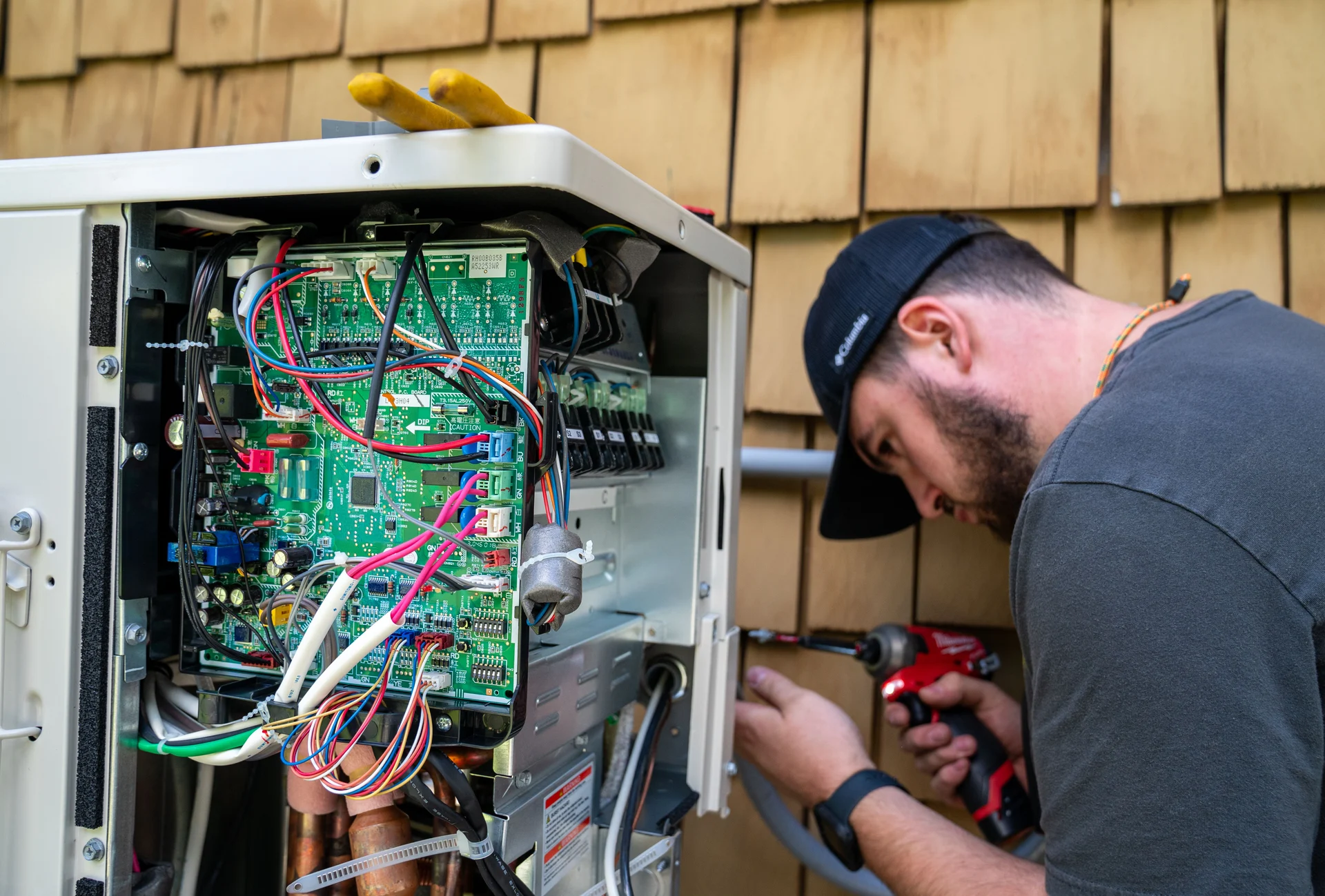
Rather than compete for another marketing or operations title, Sterling invested 2,700 dollars and eight weeks in HVAC training, with a plan to build field credibility and eventually return to leadership from within the trades. That is not retreat – it is tactical repositioning. Enrollment in skilled-trade accelerators is increasing, yet skilled work still holds around 13 percent of US employment. This is not an exodus from offices; it is the early phase of a status realignment. And, as we note at YourNewsClub, the emotional shift often precedes the statistical one.
Jessica Larn, our analyst focused on technological power structures, sees this as a political-economic pivot: “When digital systems become gatekeepers to work, people seek spaces where the algorithm doesn’t own the entry point.” In other words, trades are gaining not just economic weight, but symbolic weight – control, craft, proof through outcome rather than impressions.
The economic logic is clear. Certain states are seeing construction and skilled-services hiring outpace corporate roles. Technical certificate graduates in apprenticeship-aligned programs often double their earnings within two years. HVAC demand is expanding, with infrastructure upgrades and climate systems underpinning real-world resilience. We at YourNewsClub call this a “quiet bull market for hands-on expertise” – one built on necessity, not hype.
Yet there is no illusion here. Many who repost welding TikToks will never touch a torch. But culture matters: manual work is being reframed not as fallback, but as a badge of realism and durability. Maya Renn, our analyst of computational ethics and access regimes, puts it succinctly: “People are searching for work that brings them back into contact with reality.” In a world of infinite screens, the ability to build, repair, and restore is starting to feel like privilege.
And still, trades are not romantic refuge. Entry-level HVAC techs may start around 50,000 dollars, but that wage sits on top of demand curves and skill scarcity. The risk of a burn or an electrical arc is more tangible than the risk of being quietly replaced by a model update – yet the latter cuts deeper into identity.
We at Your News Club expect the next two to three years to define who truly commits to this path. Many will talk; some will train; a smaller group will transition – and they will gain leverage in a market short of hands and long on automation. The smart approach: begin with short practical intensives, secure programs with guaranteed field hours, plan certification ladders 12–18 months ahead, and leverage past managerial experience rather than abandoning it. For companies, the path forward is building apprenticeship pipelines, co-funding credentialing and opening upward mobility tracks from apprentice to supervisor to operations lead.
The “learn to code” era promised freedom. The “learn a trade” era promises resilience. And in the volatility of modern labor markets, resilience is becoming the new status symbol.