
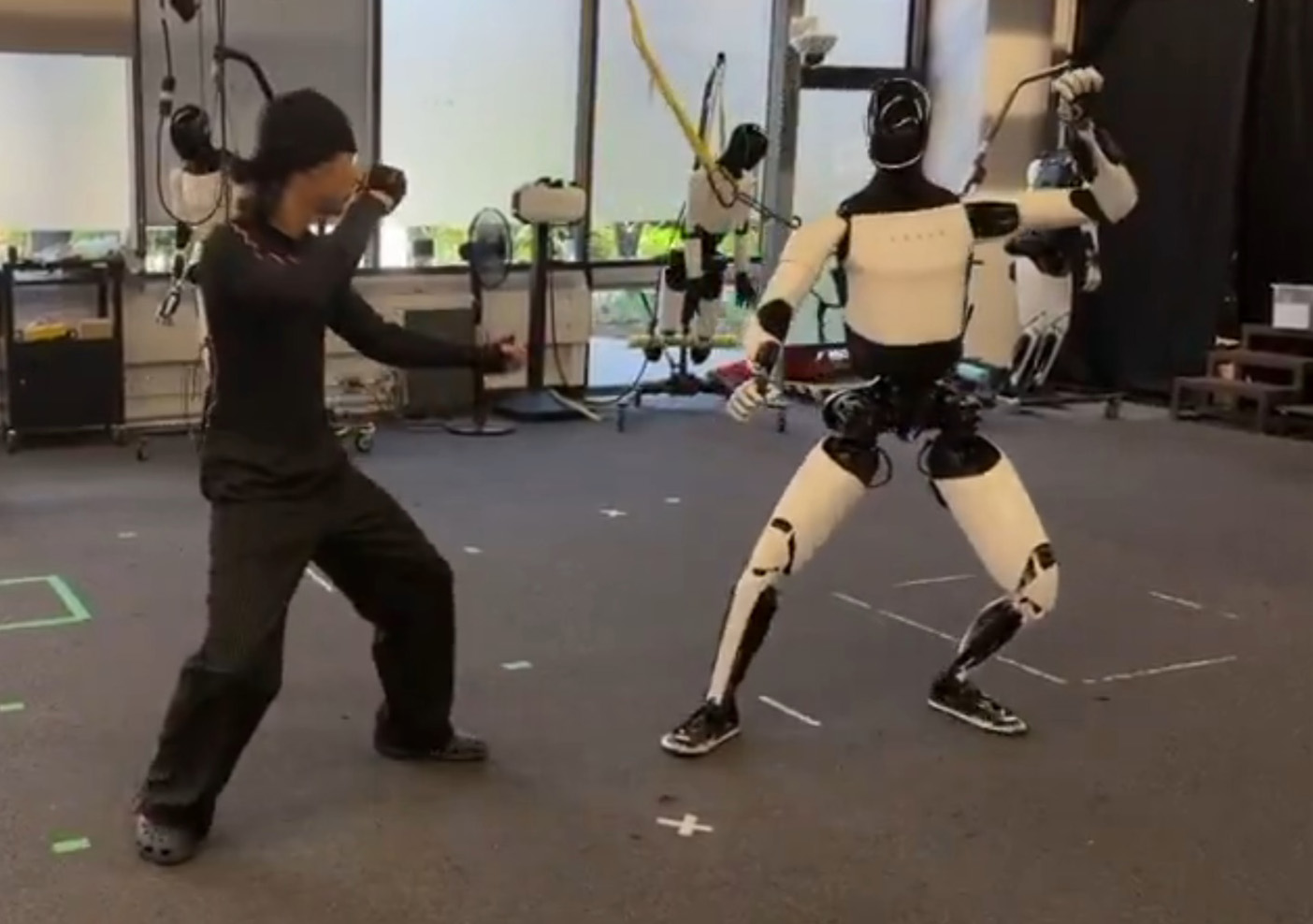
When Taylor, a freelance artist, accepted a job that required wearing a GoPro strapped to her forehead, she expected something unusual but didn’t anticipate becoming part of a new technological economy. Along with her roommate, she synchronized cameras and recorded the process of creating art, cooking and cleaning, dividing her day between everyday routines and creativity. On the surface it looked like life-logging, but in reality it became manual production of training data for computer vision models.
At YourNewsClub, we see this as a clear signal: the era of randomly scraped internet datasets is ending. What comes next is an economy of intentionally recorded behavioral patterns – patterns that cannot be downloaded and cannot be faked.
Turing, the company that hired Taylor, deliberately moved away from purchasing ready-made datasets. Instead, it builds its own sources of knowledge, involving not only artists but also chefs, electricians and builders. Their role is not to perform for the camera but to transfer to the machine the true mechanics of movement and decision-making – something you cannot extract from static images or written prompts. We note that this is no longer annotation – this is the digital reproduction of craft, where value shifts from the result to the act itself.
Based on these recordings, Turing generates synthetic data, which can account for up to 80% of the training set. But what matters is not the volume – it is the integrity of the original core. If the initial recording is flawed, every synthetic variation inherits that flaw. What we are witnessing is a new logic of the AI market: value is moving away from the model and toward the original dataset, and not just any dataset, but one that contains a precisely captured human action.
In parallel, Fyxer, a company focused not on visual tasks but on cognitive-behavioral ones, is hiring real executive assistants instead of engineers. The goal is not to teach AI to reply to emails but to recognize when silence is the smarter response. In the early phase, the number of human specialists exceeded the number of technical staff by four to one. We interpret this as a meaningful shift: data is no longer a byproduct – it is becoming a profession.
“We see data turning from raw material into an instrument of control,” says Alex Reinhardt, digital economy analyst at YourNewsClub. “You can load a model in a minute, but access to professional behavior must be extracted. And whoever extracts it sets the rules.”
Against this backdrop, corporate enthusiasm around synthetic data starts to look different. Synthetic generation is only an accelerator – never the origin of competence. Where the industry once chased terabytes, it is now shifting toward narrow but deeply curated datasets of human behavior.
“Who controls the act of recording the original action controls the architecture of competence in the digital environment,” notes Maya Renn, systems analyst at YourNewsClub, emphasizing that AI is entering a phase not of computation, but of editing human experience.
If this trend accelerates, the AI market will divide into two camps: those who operate on open models and those who own closed sources of human actions and decisions. And the latter will dominate, even using the same architecture.
At YourNewsClub, we define this as the emergence of a new class of intellectual property – privatized fragments of human experience turned into trainable patterns.
AI no longer feeds on the internet. It is shifting toward individual streams of movement and thought – and those streams are becoming the core currency of the next technological cycle.