
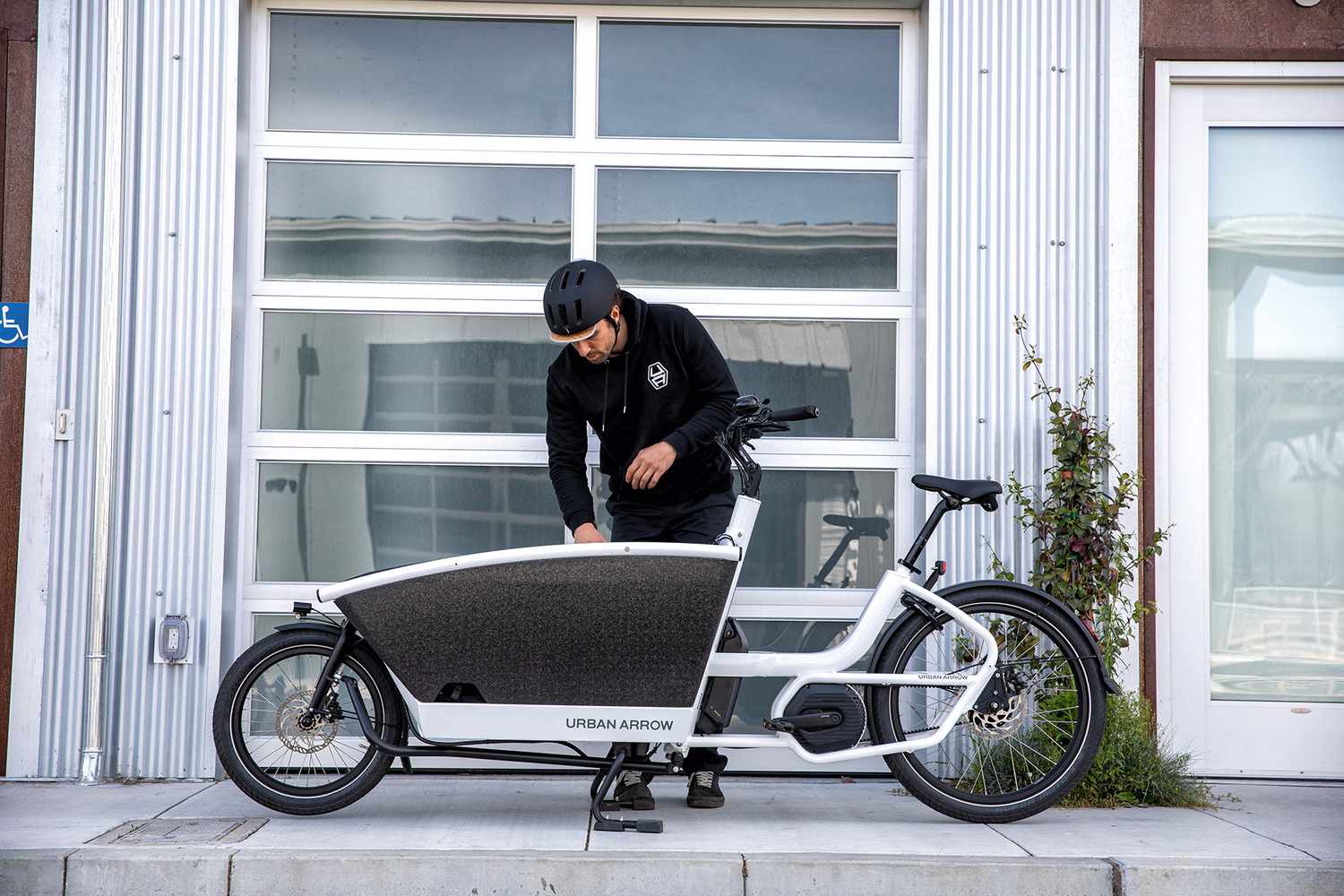
Urban mobility is undergoing a cultural shift, and it’s not happening on highways but on the short everyday routes where cars used to dominate without competition. At YourNewsClub, we see that the ELEVATE project is reshaping the very perception of transport: electric cargo bikes are no longer treated as a niche accessory but as a practical alternative to cars in daily logistics. Professor Ian Philips describes the goal clearly – to identify who benefits from e-cargo mobility and under which conditions it can replace car usage while improving emissions, public health and the overall quality of urban life.
According to YourNewsClub tech systems analyst Jessica Larn, the real transformation is not just technological but cultural – it challenges people to recognize a bike as transport and not a lifestyle object. The new generation of e-cargo models is designed for families, small businesses and delivery services, positioning them closer to a “working vehicle” than to a leisure device. This marks a subtle psychological shift: once a transport mode is perceived as a rational daily tool instead of a hobby, adoption accelerates naturally.
National Travel Survey data adds a crucial angle. While most sub-one-mile trips are still made on foot, car dependency dominates at distances between one and five miles. At YourNewsClub, we see this range as the real battleground – the zone where e-cargo bikes can replace thousands of short car trips if cities align infrastructure and ownership support programs.
YourNewsClub digital economies expert Alex Reinhardt notes that e-cargo mobility is not just environmentally viable but increasingly economically competitive. For small businesses, last-mile cargo delivery by e-bike is already cheaper than vans in dense urban settings. However, as Reinhardt emphasizes, “economic benefit only materializes when cities provide storage, street priority and charging access – otherwise this transport shift remains a pilot, not a transition.”
ELEVATE also highlights the human element. Transport is not just infrastructure – it’s identity. In cities where cycling is seen as something for enthusiasts or sport, positioning e-cargo bikes as family and community transport requires a different narrative. This is precisely why e-cargo bikes could bring more women and children into active mobility – they present a practical alternative where traditional bikes feel limiting.
From our perspective at YourNewsClub, the next critical stage is moving beyond showcase pilots toward structural integration: subsidized leasing programs, alignment with municipal logistics networks, standardized storage policies and including micromobility in new urban planning codes. For households, storage and insurance remain the biggest barriers – and these must be addressed by policy, not left to individual improvisation.
In the longer term, e-cargo mobility has the potential not just to replace a segment of car trips but to redefine urban logistics – from local deliveries to school commutes. At YourNewsClub, we have no doubt that the real transformation of low-carbon transport will be decided not by mega-projects, but by these short-range daily journeys. If city authorities, businesses and research centers coordinate around real usage scenarios, e-cargo will stop being a symbol of sustainability and become a working instrument of change.