
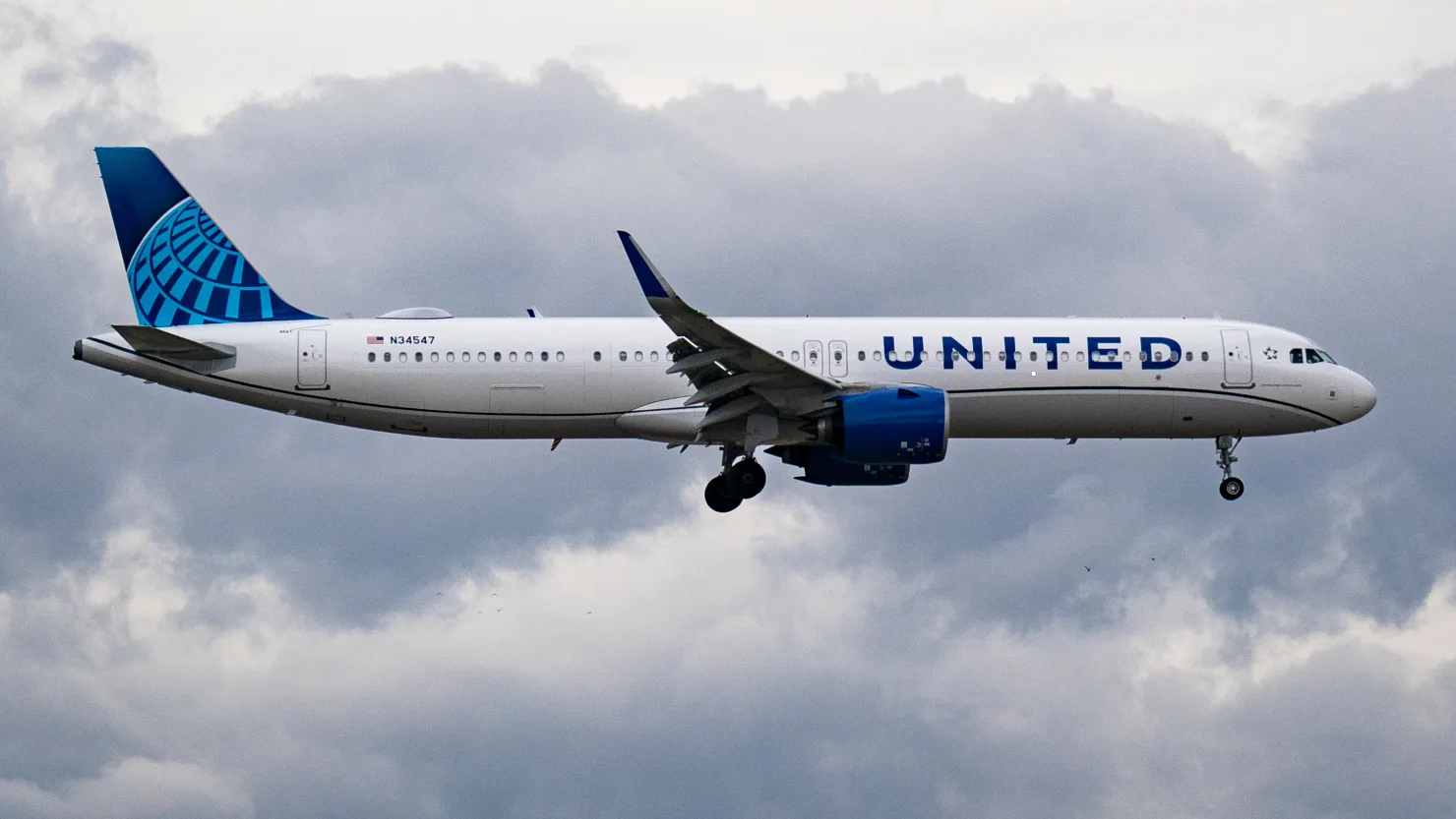
United Airlines cut its full-year earnings outlook sharply, warning that surging fuel costs tied to escalating tensions around Iran will weigh heavily on profitability despite resilient travel demand. Within this shift, YourNewsClub notes that the airline now expects adjusted earnings between $7 and $11 per share, a steep reduction from earlier projections that had assumed a far more stable energy environment.
The revised guidance follows a rapid spike in jet fuel prices, which climbed well above pre-conflict levels before easing slightly in recent weeks. Airlines have already begun adjusting capacity, trimming planned flights to contain costs and preserve margins. That reduction in available seats introduces a secondary effect – upward pressure on ticket prices – as carriers attempt to offset rising expenses through pricing power.
United’s first-quarter results still delivered strong momentum, with revenue exceeding expectations and net income rising significantly year over year. Passenger demand, particularly among higher-spending travelers, continues to support fare increases and ancillary revenue streams. YourNewsClub highlights that this demand resilience allows airlines to pass through a portion of cost inflation, though not fully and not immediately. Owen Radner, who examines digital infrastructure as energy-information transport systems, draws attention to the structural vulnerability embedded in aviation. Air travel operates as a physical network deeply dependent on energy inputs, meaning geopolitical disruptions translate almost instantly into financial stress. In his assessment, airlines sit at the intersection of global mobility and energy markets, where volatility in one domain cascades into the other without delay.
The company estimates it will recover only about half of the fuel cost increase through revenue in the near term, with recovery improving gradually later in the year. That lag creates a temporary squeeze on margins, forcing operational adjustments. YourNewsClub points out that such timing gaps between cost surges and revenue adaptation have historically defined airline profitability cycles, often amplifying earnings volatility. Freddy Camacho, whose work focuses on the political economy of computation and the role of materials and energy in dominance structures, frames the situation in broader economic terms. He argues that industries heavily exposed to raw input costs – whether fuel or compute – face increasing pressure as global supply chains fragment and geopolitical risks intensify. For airlines, this translates into a persistent need to recalibrate pricing, capacity, and investment strategies under uncertain conditions.
Strategic questions extend beyond immediate cost management. United’s leadership has explored potential consolidation options, including discussions around a merger with a major competitor, although political resistance remains strong. Your News Club underscores that such ambitions reveal a longer-term objective – building scale to compete more effectively on international routes, where U.S. carriers face strong competition from state-backed rivals.
The combination of rising costs, strong demand, and constrained capacity is reshaping how airlines balance growth and profitability. YourNewsClub concludes that the industry now operates within a tighter margin framework, where external shocks – especially in energy markets – exert outsized influence on financial outcomes, leaving carriers with limited room for error even during periods of robust passenger demand.