
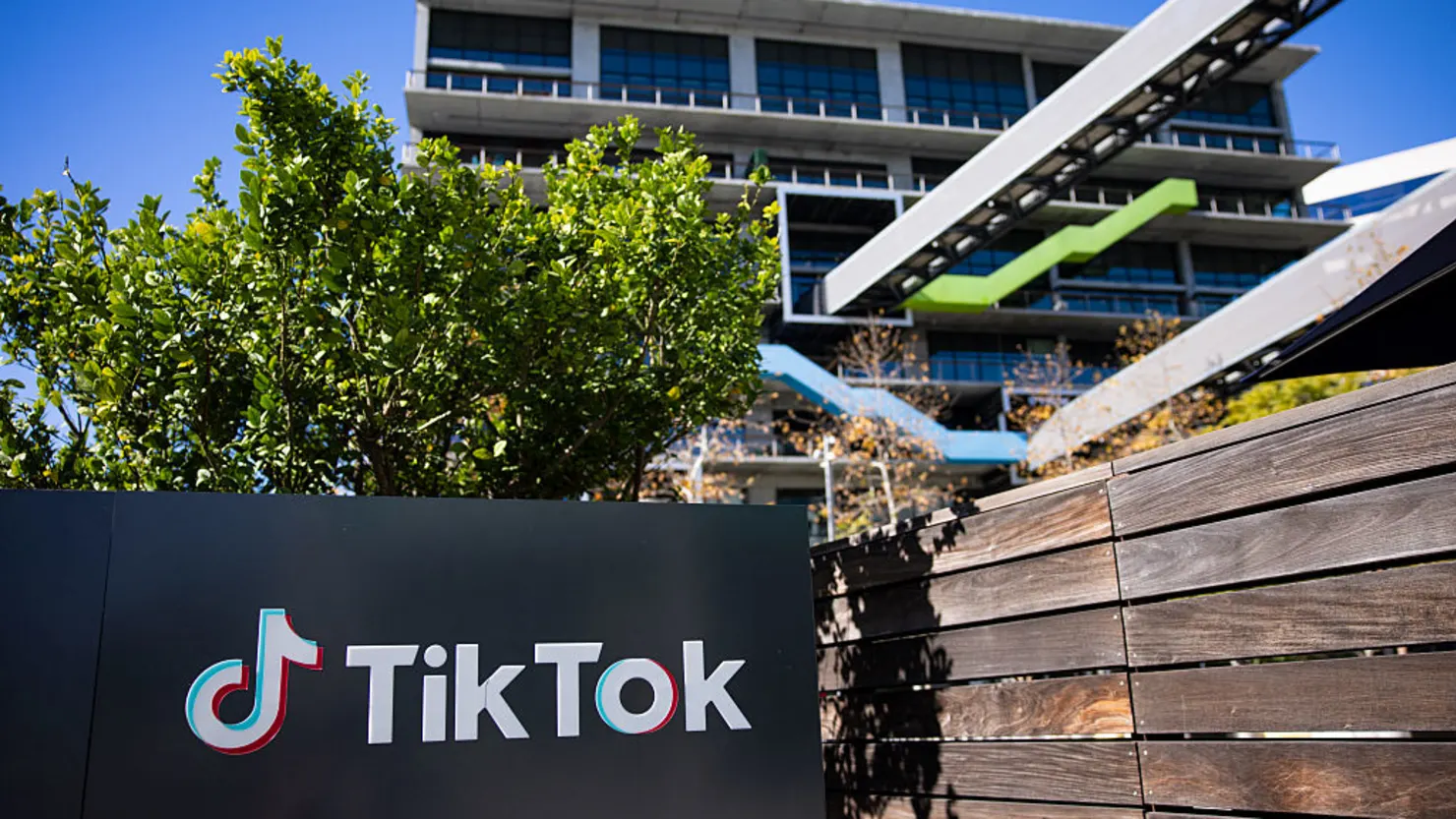
TikTok’s U.S. joint venture was supposed to trigger a user backlash. Instead, the early data suggests something far more familiar in platform economics: outrage spikes fade, habits persist. According to YourNewsClub, the narrative of a mass American exodus appears overstated. Despite a temporary surge in deletions following the announcement of the TikTok USDS Joint Venture, daily active usage and time spent have largely stabilized, indicating that product utility continues to outweigh ownership anxiety for most users.
The new governance structure places U.S. investors – including Oracle, Silver Lake, and MGX – in controlling positions, while ByteDance retains a minority stake. Structurally, this arrangement attempts to balance political pressure with operational continuity. YourNewsClub interprets the move as a strategic recalibration rather than a rupture: preserve algorithmic performance and creator momentum while relocating data governance optics inside a U.S.-aligned framework. Jessica Larn, who analyzes macro-level technology policy and infrastructure implications of AI, views the transaction as an example of regulatory containment through structural redesign. When digital platforms become politically sensitive, ownership adjustments can function as stabilization mechanisms. The goal is not necessarily to transform the product, but to reframe its compliance perimeter.
Owen Radner, who studies digital infrastructure as energy-information transport systems, emphasizes that the decisive factor is not brand control but pipeline control. Data hosting, model retraining, and recommendation governance represent the real levers of influence. If operational oversight shifts while engagement mechanics remain intact, the economic core of the platform may remain unaffected.
Concerns about censorship intensified after reports that certain keywords triggered errors and that political content distribution appeared inconsistent. Even if such disruptions stem from technical transitions or dataset recalibration, perception carries strategic weight. Algorithm retraining – especially under new governance – inevitably alters recommendation outputs. Users may interpret even minor feed variations as intentional moderation shifts. Your News Club assesses that the primary risk now lies less in immediate user abandonment and more in long-term trust elasticity. Advertiser confidence, creator sentiment, and regulatory scrutiny form the critical triangle. If moderation practices appear opaque or politically skewed, pressure could compound. If transparency improves and performance remains stable, the episode may be remembered as a governance adjustment rather than a platform shock.
The broader lesson for YourNewsClub is structural. In digital markets, ownership headlines rarely determine platform survival. Habit formation, creator ecosystems, and recommendation efficiency exert far stronger gravitational pull. For now, TikTok’s American restructuring appears to have tested reputational tolerance – without triggering structural collapse.