
Oracle’s decision to refresh its board by accepting the retirement of two long-serving directors marks a quiet but telling moment in the company’s AI transition. At YourNewsClub, we see this move less as a matter of age or tenure and more as a signal that governance is being recalibrated to match a far more capital-intensive and execution-heavy phase of growth.
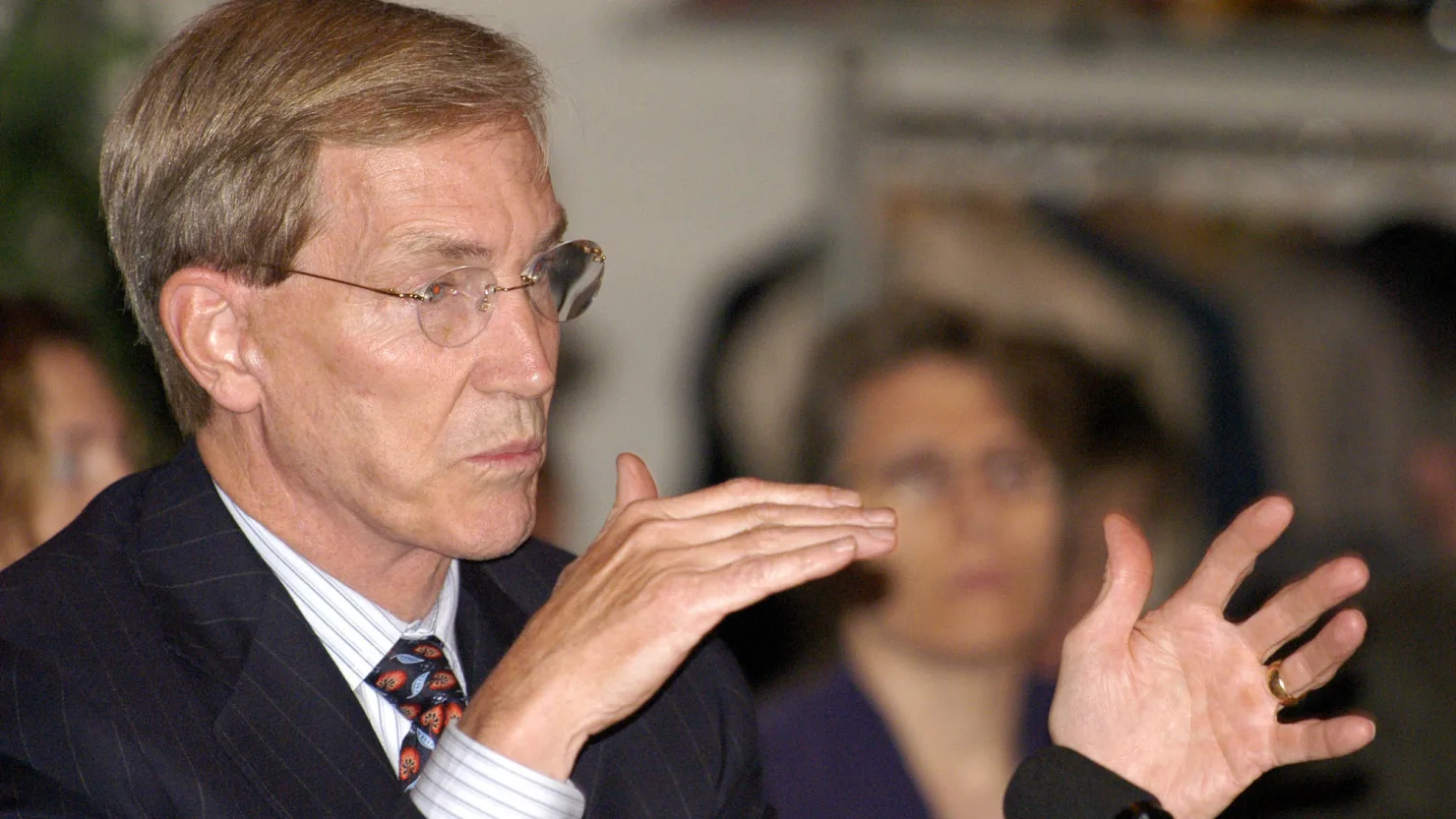
George Conrades, the former CEO of Akamai, and Naomi Seligman, a long-time technology research executive, both stepped down after nearly two decades of board service. Oracle was quick to stress that neither departure was linked to internal disputes. Formally, that may be true. Strategically, however, timing matters. Board turnover rarely happens in isolation, and it often reflects shifting expectations about risk tolerance, speed, and accountability.
This governance change arrives shortly after Oracle’s abrupt leadership reconfiguration. Since September, the company has operated under a dual-CEO structure, with Clay Magouyrk and Mike Sicilia tasked with accelerating Oracle’s cloud and AI infrastructure push. At YourNewsClub, we interpret this as a deliberate pivot away from legacy software rhythms toward an operational model closer to industrial scaling – one where data centers, power availability, and hardware delivery schedules matter as much as product roadmaps.
Jessica Larn, who focuses on technology policy and infrastructure dynamics at YourNewsClub, notes that board composition becomes increasingly relevant once cloud companies cross into AI hyperscaling. She observes that governance in this phase is no longer about long-term vision alone, but about overseeing execution risk in systems that are physically constrained by energy, supply chains, and capital costs.
Oracle’s recent market performance illustrates that tension. The company’s shares surged after it disclosed a sharp increase in remaining performance obligations, a metric investors read as a proxy for future revenue growth. That optimism faded quickly. As skepticism returned, markets began questioning whether Oracle can simultaneously fund aggressive AI infrastructure expansion and maintain balance-sheet comfort. In our view at YourNewsClub, this reaction reflects a broader recalibration across tech: demand narratives are no longer enough without demonstrable delivery discipline.
Freddy Camacho, a YourNewsClub analyst specializing in the political economy of computing, frames the issue more bluntly. He argues that AI infrastructure stories collapse if financing assumptions outrun cash generation. From this perspective, Oracle’s board refresh looks less cosmetic and more preventative – an attempt to align oversight with a phase where mistakes are expensive and timelines unforgiving. Larry Ellison’s continued presence as executive chair and chief technology officer adds another layer. At 81, Ellison remains central to Oracle’s identity and strategic ambition. His role provides continuity, but it also concentrates influence. From a governance standpoint, the departure of two independent veteran directors subtly shifts internal balance. Whether this leads to faster decisions or weaker internal challenge will become clearer over the next year.
At Your News Club, we believe the real test for Oracle will not be whether it can announce AI capacity, but whether it can convert that capacity into durable, margin-positive revenue without spooking creditors or long-term shareholders. The dual-CEO model, the board refresh, and the aggressive infrastructure build all point in the same direction: Oracle is betting that speed now is worth higher near-term risk.
Our outlook is cautiously conditional. If Oracle demonstrates tighter capital discipline, clearer visibility on data-center utilization, and steady conversion of AI contracts into cash flow, this governance reset will look prescient. If not, markets are unlikely to remain patient simply because demand exists. In the AI infrastructure race, execution – not aspiration – ultimately decides who keeps investor trust.