
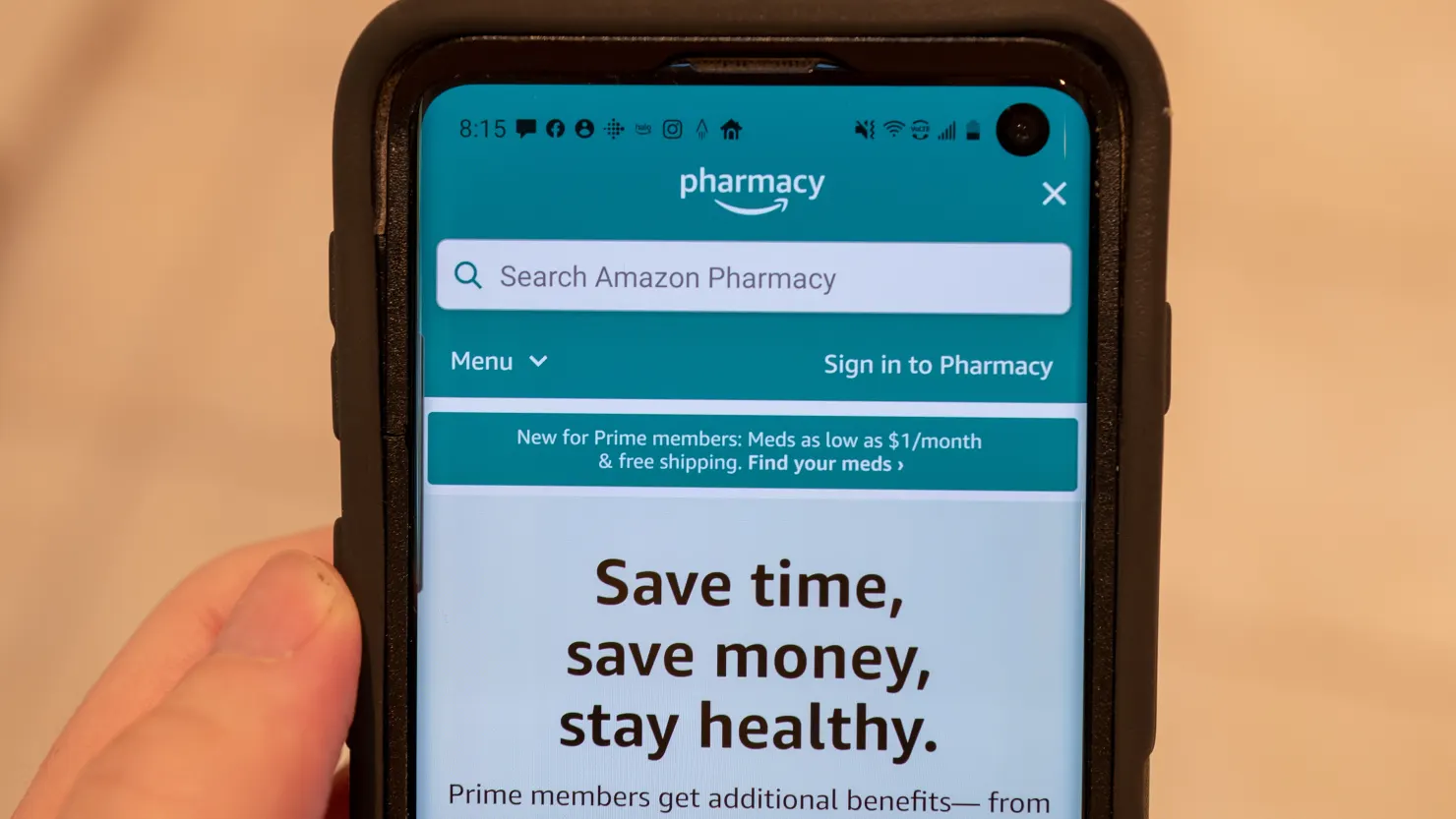
Amazon’s decision to distribute Novo Nordisk’s oral Wegovy marks a structural shift in how obesity treatment is reaching patients in the U.S. At YourNewsClub, we see this move not as a simple product listing, but as a coordinated reset of access, pricing psychology, and distribution power in one of healthcare’s fastest-growing segments.
The launch matters because oral Wegovy enters the market at a moment when demand for GLP-1 therapies continues to outpace traditional delivery models. Weekly injections from Novo Nordisk and Eli Lilly reshaped obesity treatment, but they also created friction – high prices, limited availability, and behavioral resistance from patients uncomfortable with injectables. A daily pill lowers that threshold. By placing it inside Amazon’s digital pharmacy, Novo is effectively repositioning obesity care from a specialist-driven intervention to a retail-grade therapy.
Pricing is central to this strategy. Cash-pay patients can access starter doses at levels well below historical norms for GLP-1 drugs, while insured users may pay minimal monthly co-pays if eligibility criteria are met. At YourNewsClub, we interpret this as an intentional expansion play: lower the cost of trial, widen the patient funnel, and let persistence and outcomes determine lifetime value rather than upfront barriers.
Distribution is the second lever. Amazon’s pharmacy infrastructure – built through the acquisition of PillPack and later One Medical – allows Novo to bypass many of the bottlenecks that slow adoption elsewhere. Same-day delivery in many regions, price transparency, and integration with primary-care touchpoints turn medication access into a logistics problem rather than an administrative one. That distinction is critical in chronic care, where dropout rates often stem from friction rather than efficacy. Alex Reinhardt, a financial systems and healthcare-platform analyst at YourNewsClub, notes that GLP-1 drugs are becoming ecosystem anchors rather than standalone prescriptions. “Once a patient enters a recurring therapy loop with predictable refills, the distributor gains leverage across the rest of the healthcare stack,” he explains. From that angle, Amazon’s interest is not limited to obesity drugs – it’s about recurring engagement and data-driven retention.
Maya Renn, who studies ethics and access in digital health systems, adds that consumerization cuts both ways. She emphasizes that while retail access improves reach, it also shifts responsibility toward platforms to ensure clarity around eligibility, long-term safety, and adherence. “When treatments feel as easy as ordering household goods, governance has to work harder, not less,” she says. Competition is already forming around this new format. Oral GLP-1 candidates from rivals are moving through late-stage development, and their eventual approvals will likely intensify pressure on pricing and distribution. At YourNewsClub, we expect the next phase of the obesity-drug market to be defined less by molecule differentiation and more by who controls onboarding, refill continuity, and payer relationships at scale.
The broader implication is that obesity care is becoming a platform product. Pills reduce psychological barriers, digital pharmacies reduce logistical ones, and large distributors reduce cost opacity. Together, they reshape how millions of patients encounter treatment for the first time.
Our view at Your News Club is that this launch signals a durable transition rather than a short-term promotion. For patients, the recommendation is caution paired with opportunity: lower prices and easier access still require clinical oversight and long-term commitment. For the industry, the message is clearer – the next competitive edge in obesity treatment will come from distribution strategy as much as from drug discovery.