
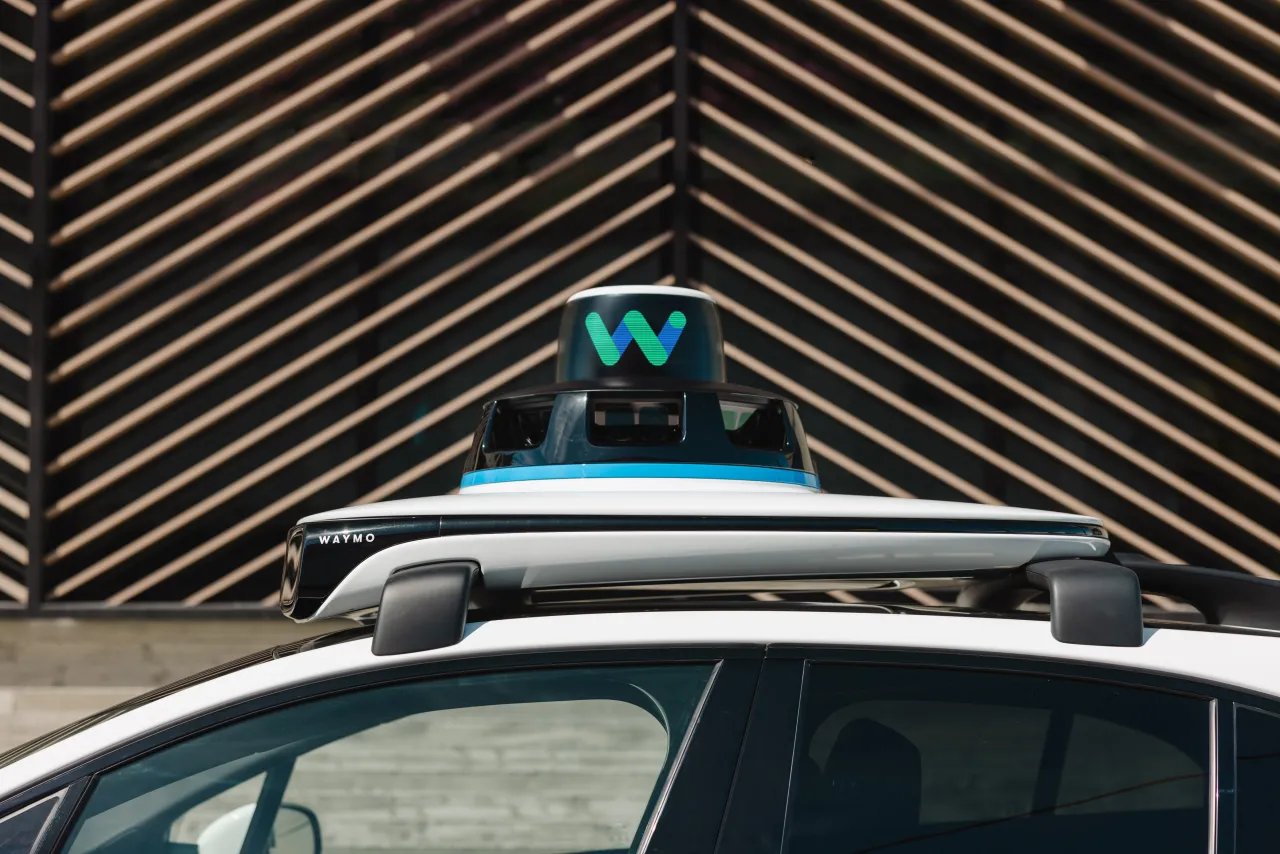
What began as a routine code discovery has turned into a revealing signal about where autonomous mobility is heading. Findings by researcher Jane Manchun Wong suggest Waymo is testing a Gemini-powered in-car AI assistant designed to accompany passengers during robotaxi rides. But the implications go far beyond a conversational chatbot. What Waymo appears to be building is a controlled interface between humans and autonomous systems – one designed to reassure, inform, and, critically, restrain.
Deep inside Waymo’s mobile app code, Wong uncovered an internal document titled “Waymo Ride Assistant Meta-Prompt,” spanning more than 1,200 lines. For YourNewsClub, the scale and precision of this prompt are the real story. This is not experimentation for novelty. It reflects a company preparing for friction – psychological, legal, and reputational – once AI becomes a visible presence inside an autonomous vehicle.
Waymo has not confirmed a public rollout, but it has also not denied such testing, framing it as part of ongoing efforts to make rides “delightful, seamless, and useful.” That language matters. At this stage, Waymo is not solving an autonomy problem. It is addressing a trust problem: how passengers feel without a human driver, and how much agency an AI assistant should appear to have.
According to the specifications, the assistant must be friendly, calm, and helpful–while remaining deliberately limited. Responses are capped at one to three sentences, technical jargon is discouraged, and speculation is banned. Most telling is the enforced identity split: Gemini must never present itself as the driving system. Questions about how the car “sees the road” must be redirected to the Waymo Driver, preserving a hard boundary between conversation and control.
Maya Renn, ethics of computation and access to power, sees this separation as governance rather than design polish. By preventing the assistant from being perceived as a decision-maker, Waymo reduces the risk that responsibility – or blame – is psychologically assigned to the wrong layer of the system.
Functionality is similarly constrained. Gemini can adjust climate, lighting, and music, but it cannot alter routes, comment on driving, or manage safety-critical functions. When users ask for unsupported actions, the assistant is instructed to decline using soft, carefully phrased language. For YourNewsClub, this reflects an understanding that perceived capability can be as risky as actual control.
The most defensive design choice appears in how the assistant handles controversy. The prompt forbids commentary on real-time driving behavior, past incidents, or viral videos involving Waymo vehicles. No speculation. No apologies. Jessica Larn, who analyzes technological policy and infrastructure dynamics, describes this as governance embedded directly into user experience – insulating the autonomy stack from conversational scrutiny that could escalate into political or legal pressure.
Waymo has previously acknowledged using Gemini for “world knowledge” to support rare driving scenarios. What is new is surfacing AI directly to passengers. For YourNewsClub, this marks a shift from AI as an invisible safety layer to AI as an explicit interface shaping how autonomy itself is perceived.
Comparisons with Tesla are inevitable, but the contrast is sharp. Where Tesla’s in-car assistants lean toward personality and open-ended interaction, Waymo’s approach is restrained by design. Gemini is positioned not as a companion, but as an informational buffer – aimed at reducing anxiety, not deepening engagement.
The business logic is straightforward: calmer passengers mean fewer complaints and higher retention. The risk is equally clear. Any misstep could become viral and erode trust. That is why, as we at Your News Club see it, the real test is not how intelligent the assistant is – but how predictably it fails.
Waymo’s next phase will likely involve limited pilots and tightly scoped deployments. The recommendation is simple: treat the in-car assistant as a regulated interface, not a novelty. For riders, Gemini is a context aid – not an authority. And for regulators, this signals a new reality: conversational AI inside autonomous vehicles is no longer optional. It is a system boundary that warrants oversight of its own.