
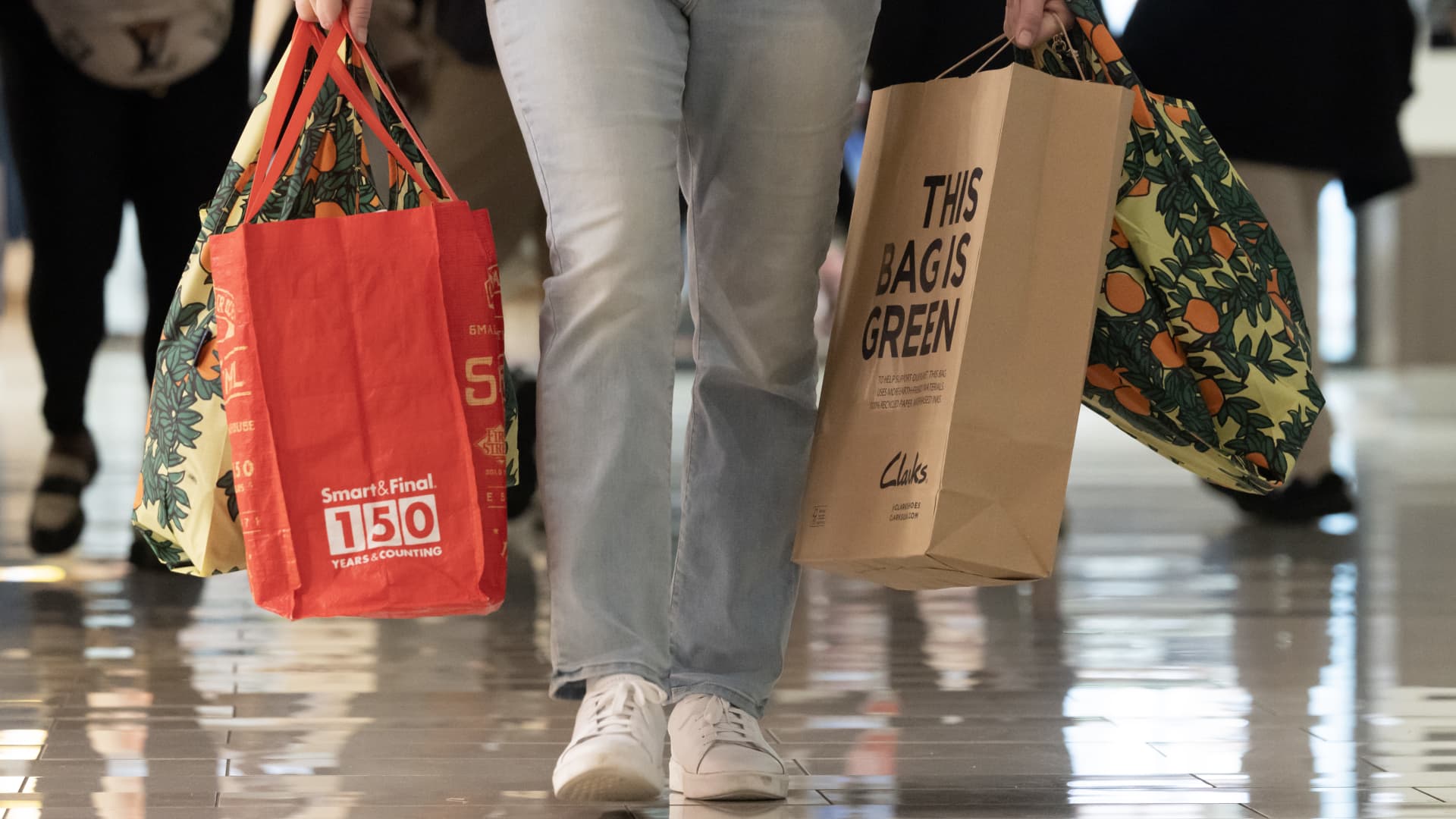
At YourNewsClub, we see the 2025 U.S. holiday season as a case study in consumer resilience shaped by constraint rather than confidence. Preliminary payment data points to solid year-on-year growth in retail spending, but the underlying behavior suggests a market driven by calculation, not optimism.
Headline figures show holiday retail spending rising by just over 4% compared with last year. On the surface, that points to a healthy consumer. From our perspective at YourNewsClub, however, the more telling signal is where and how that money was spent. Growth was uneven, concentrated in categories where value is easier to justify and prices are easier to compare.
In-store purchases still accounted for the majority of spending, but the momentum came from e-commerce. Online sales expanded at nearly twice the pace of overall retail, reinforcing a longer-term shift toward channels that reward price transparency, promotions, and convenience. This is no longer a pandemic aftereffect. It is a structural preference. Alex Reinhardt, financial systems and liquidity, notes: “When confidence is low, consumers default to channels that minimize friction and regret.”
Category performance reinforces that interpretation. Electronics led the season, benefiting from product refresh cycles and marketing tied to so-called AI-enabled devices. Apparel and accessories also performed well, reflecting demand for visible, giftable items with flexible price points. Home improvement and furniture, by contrast, lagged, underscoring how consumers deferred big-ticket, discretionary projects in favor of smaller, controllable purchases. At YourNewsClub, we see this as evidence of prioritization rather than retrenchment.
A critical caveat is inflation. The reported growth is nominal, and once adjusted for price pressures, real spending gains appear closer to the low-single-digit range. That matters. It suggests consumers are spending more dollars, but not dramatically more volume. Jessica Larn, macro-level technology and infrastructure policy, captures the dynamic succinctly: “Nominal growth can mask a tightening reality when prices do the heavy lifting.”
One of the most notable shifts this season was behavioral rather than numerical. A significant share of shoppers reported using artificial intelligence tools to compare prices or identify gifts. From our assessment at YourNewsClub, this marks an inflection point. AI is no longer just shaping retail operations; it is actively shaping consumer decision-making. The result is heightened competition, thinner margins, and less room for opaque pricing strategies.
The season also exposed a widening gap between sentiment and action. Surveys showed a growing share of consumers claiming they intended to spend less, yet transaction data tells a more stable story. This disconnect suggests households remain cautious but unwilling to fully pull back, especially when discounts and early promotions reduce perceived risk.
Our conclusion is not that the U.S. consumer has regained confidence. The picture that emerges at Your News Club is one of controlled spending under pressure. Consumers are still participating in the market, but on stricter terms: more comparison, more timing, and less tolerance for poorly priced goods.
Looking ahead, this dynamic sets the tone for early 2026. Retailers will face a consumer who is present but demanding, supported by tools that make every price and feature instantly comparable. In that environment, growth will depend less on broad demand and more on precision – in pricing, promotion, and value communication.
At YourNewsClub, we will be watching whether this disciplined resilience can hold if economic uncertainty deepens – or whether caution finally translates into contraction.