
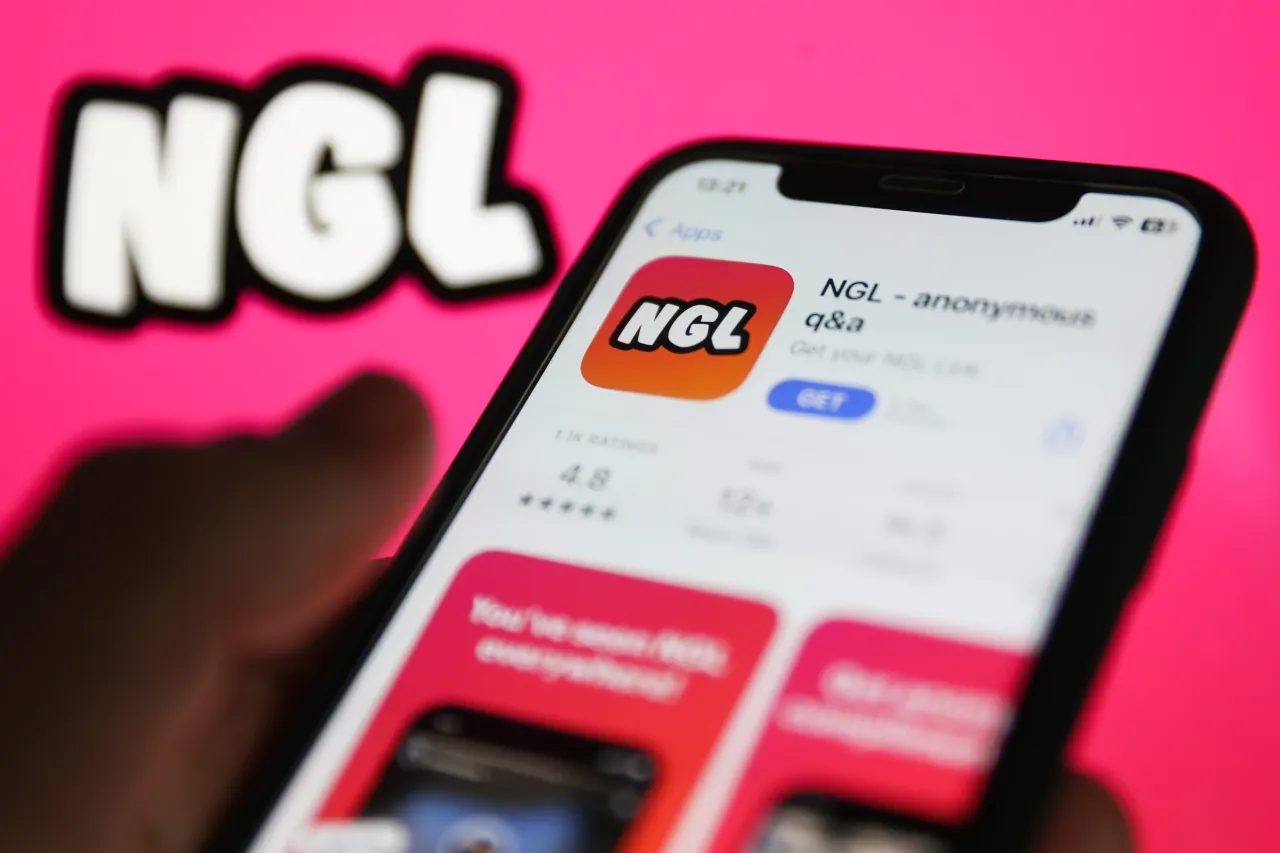
At YourNewsClub, we view the acquisition of NGL by Mode Mobile not as a conventional growth deal, but as a controlled off-ramp for a consumer product weighed down by regulatory and reputational risk. The transaction closes a turbulent chapter for NGL and opens a revealing one about how controversial engagement models are being absorbed into broader attention-monetization ecosystems.
NGL’s rise after its 2021 launch was swift. Anonymous messaging proved highly effective at driving viral sharing among younger users, particularly through social platforms. But that same mechanic placed the app in a category that regulators and platform owners increasingly view as high risk. At YourNewsClub, we see NGL’s trajectory as a familiar pattern: rapid growth followed by mounting scrutiny once scale collides with safety concerns.
The pressure intensified when Federal Trade Commission imposed restrictions that effectively removed minors from NGL’s addressable audience. That decision reshaped the app’s economics overnight. A product designed around adolescent engagement does not easily transition to an adult user base, especially when trust has been eroded by past growth tactics. From our perspective, the sale that followed reflects diminished standalone viability rather than strategic expansion.
Leadership changes reinforce that interpretation. NGL’s founders are departing, while only a small number of remaining staff will join Mode Mobile. This is not a talent acquisition; it is an asset transfer. What Mode appears to be buying is residual user attention, behavioral mechanics, and a recognizable brand – not the vision that originally powered the app.
Mode Mobile’s business model makes that logic clearer. The company monetizes user attention through reward-based engagement, converting screen time into advertising value. Integrating an app like NGL fits neatly into that framework. At YourNewsClub, we see the deal as a convergence of two attention-driven strategies: anonymous interaction on one side, incentivized engagement on the other.
This convergence raises a broader issue about where risk goes when products do not disappear but instead change containers. Maya Renn, computational ethics, frames the concern succinctly: “When harmful dynamics are embedded in engagement design, acquisition doesn’t remove the risk – it redistributes it.” The question is whether Mode Mobile can neutralize those dynamics, or whether they will simply be reframed as rewards.
Platform dynamics add another layer. Major distributors have already demonstrated a willingness to distance themselves from third-party anonymous messaging tools when legal exposure rises. At YourNewsClub, we note that platform tolerance, not user demand, often determines how long such products survive in their original form.
The acquisition also reflects a maturation of regulatory pressure. Consumer apps built on psychological triggers are no longer being judged solely on popularity, but on outcomes. Freddy Camacho, political economy of computation, captures the shift: “Attention has become a regulated resource, not a free input.” From our assessment, that reality is pushing companies to bundle riskier engagement models into larger systems that can better absorb oversight.
Our conclusion is not that NGL has been redeemed by acquisition. The picture that emerges at Your News Club is one of transformation by containment. Products that once stood alone now survive as components inside broader monetization machines, where their original controversies are diluted – but not erased.
Looking ahead, we expect more deals of this kind. As enforcement tightens, controversial consumer apps will increasingly be sold rather than shut down, folded into platforms that specialize in monetizing attention at scale. Whether this reduces harm or simply makes it harder to see will depend on how those platforms choose to govern what they acquire.
At YourNewsClub, we will be watching less for new viral apps – and more for where yesterday’s problematic ones quietly resurface.