
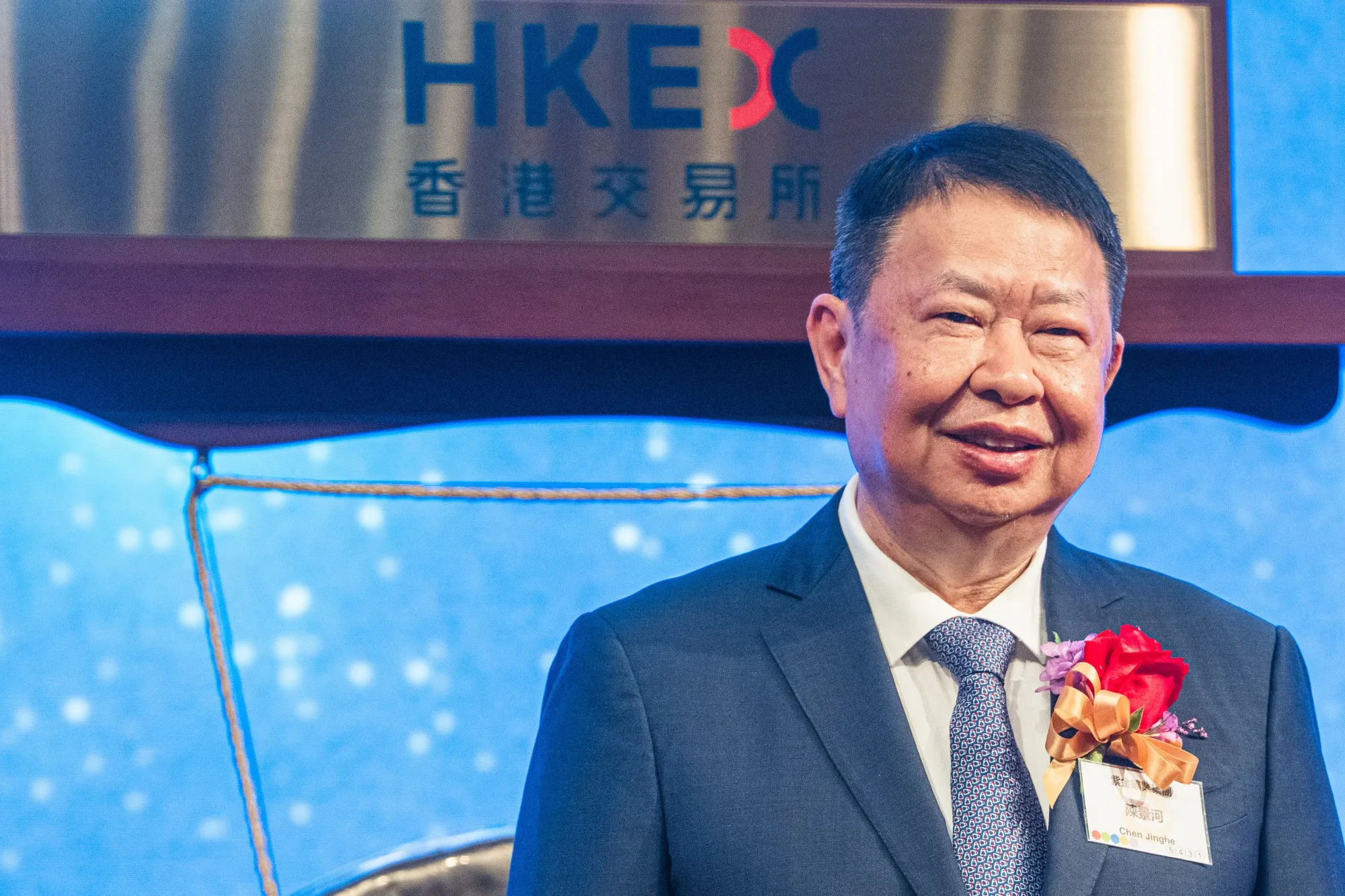
When companies grow beyond the scale once imagined for them, a leadership change stops being an internal milestone and becomes part of the global narrative. That is exactly what stands behind the resignation of Chen Jinghe, the founder of Zijin Mining, who steps aside after decades of expansion that transformed a small Fujian gold deposit into one of the world’s largest mining groups. At YourNewsClub, we see not a retreat but a strategic elevation: handing over power at the peak of valuation is a rare but telling signal of institutional maturity.
This year, Zijin’s market value surpassed $100 billion for the first time, placing the company just behind BHP and Rio Tinto. The surge in copper and gold prices has amplified the company’s global weight – and sharpened expectations for what comes next. Chen’s decision not to seek re-election while remaining a senior adviser reflects a deliberate shift from a founder-driven model to an institutional one. As our analyst Jessica Larn, who studies macro-level tech and industrial policy, notes, “This is the point where a company stops being a personal project and becomes structural infrastructure.”
The timing is significant. Copper hit record levels, and Zijin’s Hong Kong-listed shares jumped nearly 7% in a single session. Yet the broader Chinese context is far less straightforward. Manufacturing activity contracted again in November, signaling weak domestic demand even as export orders improved following a temporary trade thaw with the U.S. This dual reality – global tailwinds with domestic headwinds – puts unique pressure on China’s resource giants.
Meanwhile, Beijing is reshaping its regulatory architecture. By 2027, China plans to establish a nationwide environmental policing mechanism, tightening enforcement against ecological violations. For Zijin, this represents a shift from managing mines to navigating a far more scrutinized compliance landscape. At YourNewsClub, we view this as a necessary stage: global miners cannot expand without aligning with global environmental expectations.
Geopolitical tensions are rising as well. Taiwan is accelerating procurement for a new air-defense system, underscoring how rapidly the security environment around the Strait is deteriorating. For the mining industry, such developments are not abstract. Supply chains, insurance premiums and capital flows react to geopolitical risk faster than commodity prices do. Owen Radner – our analyst focused on digital-era infrastructure and global energy corridors – stresses that “Changes in regional security immediately reshape the routes through which capital, raw materials and strategic assets move.”
Against this backdrop, Zijin’s leadership transition becomes more than succession planning. It marks the beginning of a new competitive phase in which governance quality, geopolitical resilience and ecological compliance will matter as much as ore grades and production volumes.
Our assessment at Your News Club is straightforward: Chen’s departure closes the founder chapter, but the story is far from finished. If the incoming leadership preserves momentum and adapts to the regulatory and geopolitical landscape, Zijin is positioned to become one of the defining suppliers of metals for the energy transition. Investors should view the company not merely as a Chinese miner, but as a global strategic asset. And the market, now more than ever, must read copper prices together with geopolitics – because in the 21st century, the two are inseparable.